Options MallThe Shirt Code Call +91 83693 81345

Nº 08 Styling Guide — Twelve formulas

SC—08 / STY.FRM

The art of putting an outfit together. Men's shirt styling — formal shirts with trousers, jackets, ties and shoes

An outfit is a small piece of arithmetic. Change one term — the trouser colour, the shoe, the tie — and the answer changes with it.

These twelve formulas cover the questions we hear most often about formal shirts for men: what goes with black trousers, how a striped shirt sits under a blazer, when a tie belongs, and whether a shirt should be tucked in. Each one gives a worked example, the principle behind it and a handful of reliable alternatives. Read them in order, or jump straight to the one you need.

Part one Start with the trouser

The trouser is the largest block of colour in most office outfits, so it sets the rules. Choose it first, then let the shirt answer it.

Formula 01 — TRS.BLK

Formal shirts with black trousers

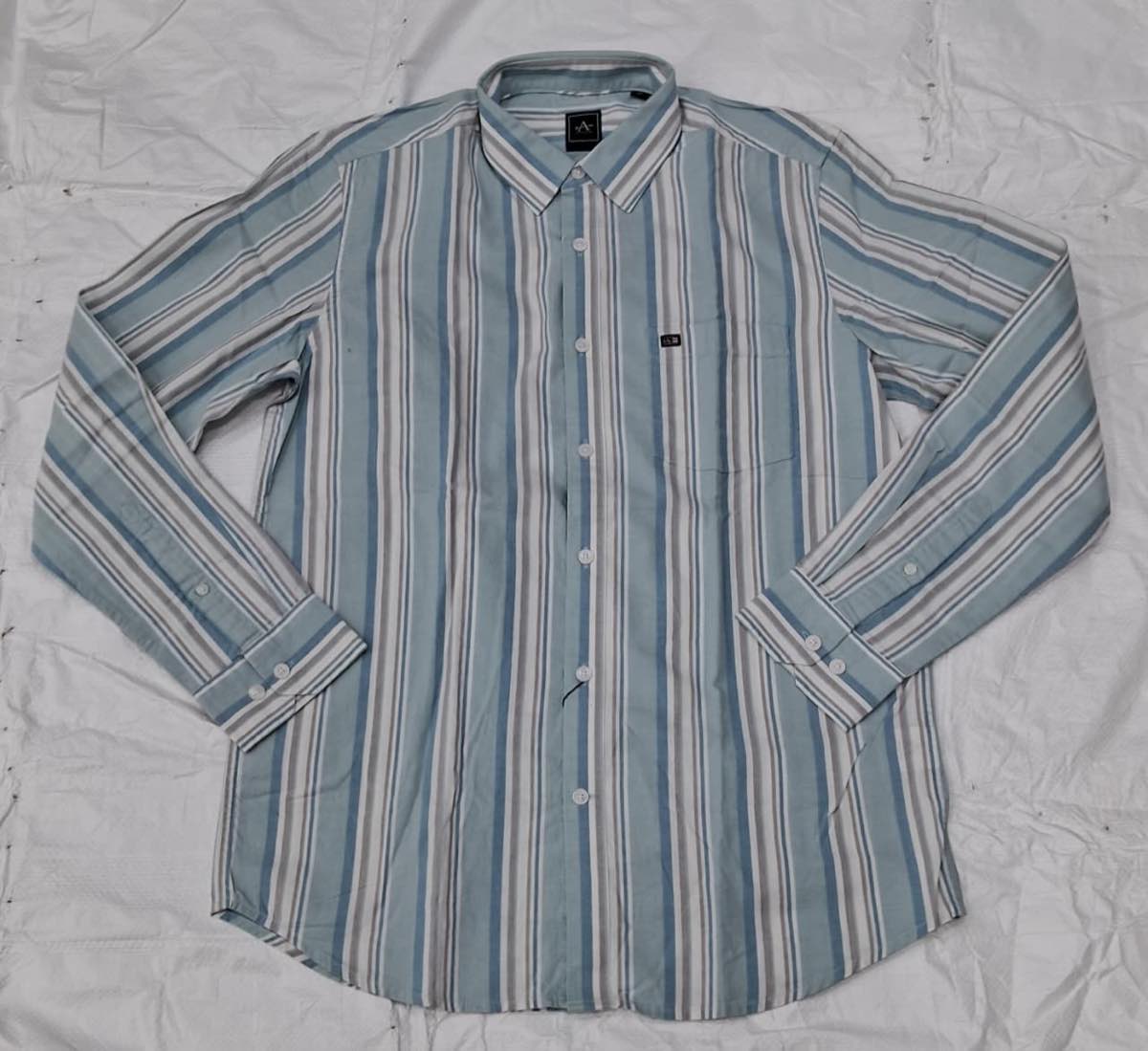
ShirtAqua stripe plus TrouserBlack plus ShoeBlack derby equals ResultCool contrast

Aqua, grey and white striped long-sleeve shirt for men, a cool stripe to wear with black trousers
A relaxed aqua and grey stripe — colour for a black trouser.S/01 STR.AQU

Black is the sharpest, most severe trouser colour. It reads as evening and authority, and it rewards cool, light shirts that create a clean contrast against it.

The principle

Black trousers favour the cool side of the shirt spectrum: white, light blue, pale grey, lilac and soft aqua. Warm, muddy shades — mustard, rust, olive — tend to look tired against black. Keep the leather black too: a black belt and black shoes complete the line, whereas brown shoes with black trousers are a far harder combination to make work.

Reliable combinations

  • White shirt + black trouser + black oxford. The crispest formula there is; ideal for evening functions.
  • Light blue + black. Softer and more daytime; good for the office when navy and grey feel routine.
  • Pale grey or lavender + black. A modern, tonal look that suits a slim fit and a clean collar.
  • A cool stripe + black. As shown: the stripe brings the colour, the trouser keeps it in order.

Handle with care A navy shirt with black trousers: the two darks sit too close and often look like a mismatch rather than a choice.

Formula 03 — TRS.GRY

Formal shirts with grey trousers

ShirtPurple check plus TrouserCharcoal plus ShoeDark brown equals ResultQuiet depth

Purple and grey check casual shirt with a chest pocket, paired with charcoal grey trousers
Purple and grey check — picks up the trouser.S/03 CHK.PRP

Grey is the neutral that never argues. It lets the shirt lead, which makes it the best trouser for experimenting with colour.

The principle

Treat light grey and charcoal as two different trousers. Charcoal is the more formal: it suits white, light blue and deeper shirts, with black or dark brown shoes. Light grey is airier and more summery: it prefers brown or tan leather and pairs well with pink, blue and soft purple. In either shade, a shirt that contains a little grey — like the check shown — ties the outfit together without effort.

Reliable combinations

  • White or light blue + charcoal + black. Business-formal, especially under a navy jacket.
  • Pink or lilac + light grey + tan. Fresh, friendly and well suited to warm weather.
  • Purple or burgundy + charcoal. Deeper colour for the end of the week.
  • Grey shirt + grey trouser. Tonal dressing works if the two greys are clearly different in depth.

A note on this shirt The check pictured is a casual shirt with a soft collar and chest pocket. Wear it open-necked with charcoal trousers on a relaxed office day rather than with a tie.

Part two Read the shirt

Colour and pattern decide how formal a shirt is before its collar or cuff does. Four shirt types, four sets of rules.

Formula 04 — CLR.WHT

White shirt combinations

ShirtWhite fine stripe plus TrouserCharcoal equals ResultBoardroom
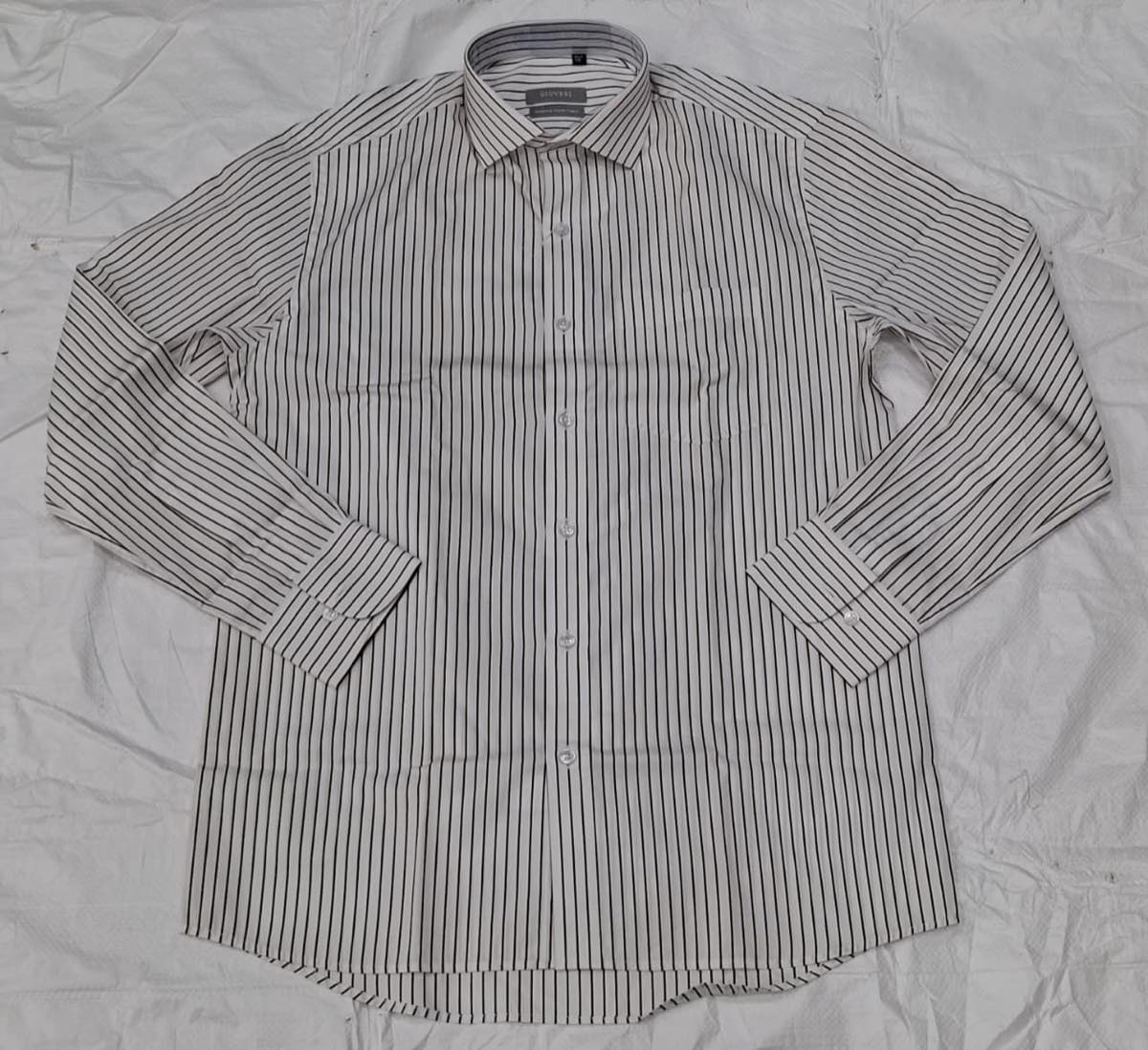
White formal shirt with fine grey stripes and a spread collar, a business formal shirt that reads as white from a distance
White ground, hairline grey stripe, spread collar.S/04 STR.WHT

The white shirt is the one garment that goes with every trouser colour — navy, charcoal, black, beige, olive — and every tie. A white ground with a fine stripe, like this one, keeps that versatility but adds texture: at conversation distance it reads as white, close up it has more character.

+ Navy
The default business pairing; brown or black shoes.
+ Charcoal
Most formal; black oxfords, a dark tie.
+ Black
Evening contrast; keep everything else black.
+ Beige
Summer and smart-casual; tan or suede shoes.
+ Olive
Relaxed and modern; dark brown leather.
White shirts: a foundation of formal dressing

Formula 05 — CLR.BLU

Blue shirt combinations

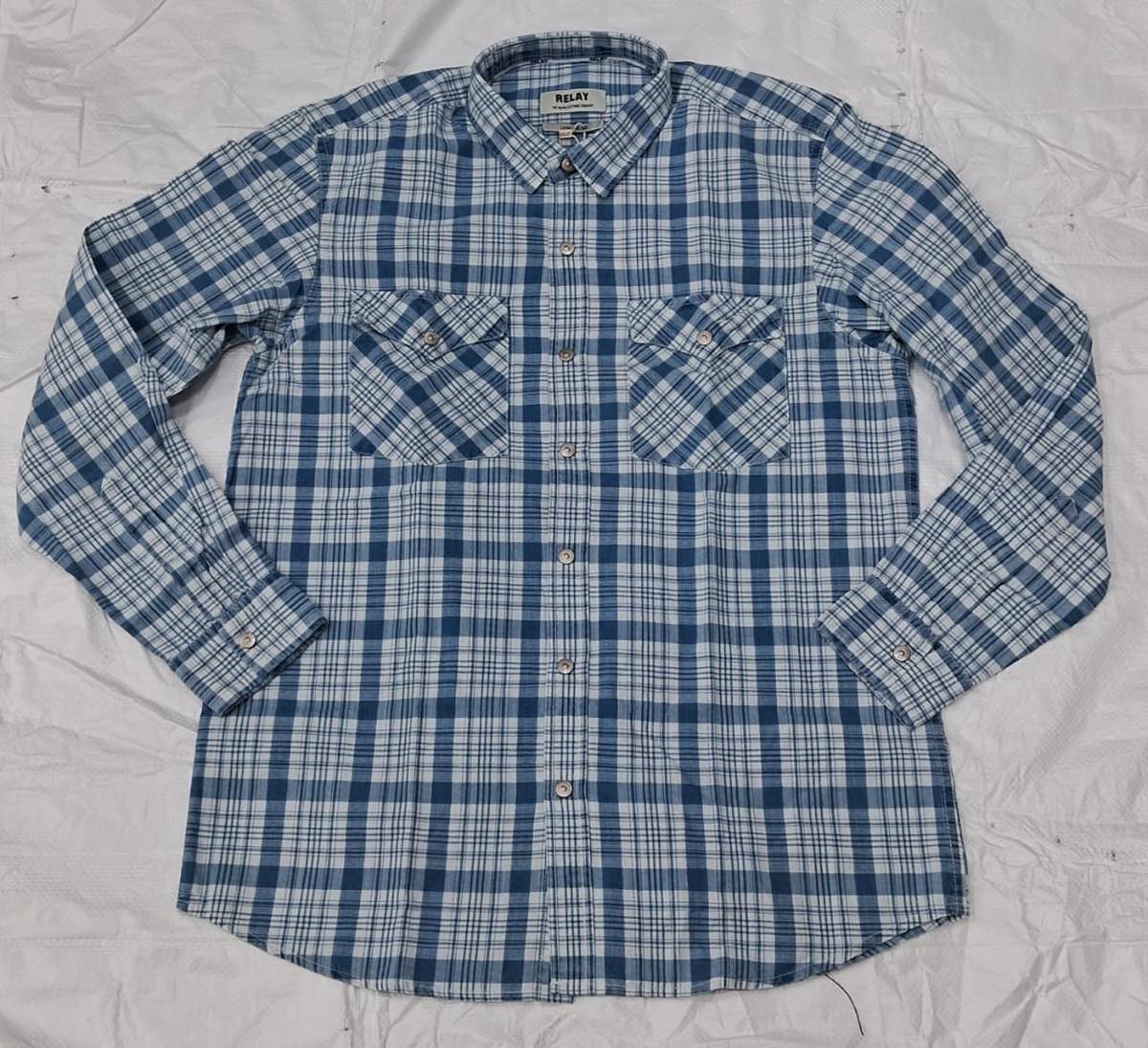
ShirtBlue check plus TrouserBeige chino equals ResultWeekend blue

Blue and white check casual shirt with two flap chest pockets, worn with beige chinos
Blue check with flap pockets — the off-duty blue.S/05 CHK.BLU

Blue is the most worn shirt colour in the working world because it flatters most complexions and partners every neutral. The rule of thumb is contrast of depth: light blue under navy, grey or charcoal; deeper blues above lighter trousers such as beige, stone or light grey.

Be honest about formality. The shirt pictured is a casual check with utility pockets — right for chinos and loafers, not for a suit. For office wear shirts, choose a solid light blue, a fine blue stripe or a small check with a clean, pocket-free front.

+ Navy
Light blue only; tonal and calm.
+ Grey
Any blue; the easiest weekday outfit.
+ Beige
Mid or deep blue; smart-casual.
Blue formal shirts and their styling possibilities

Formula 06 — PAT.STR

Striped shirt styling

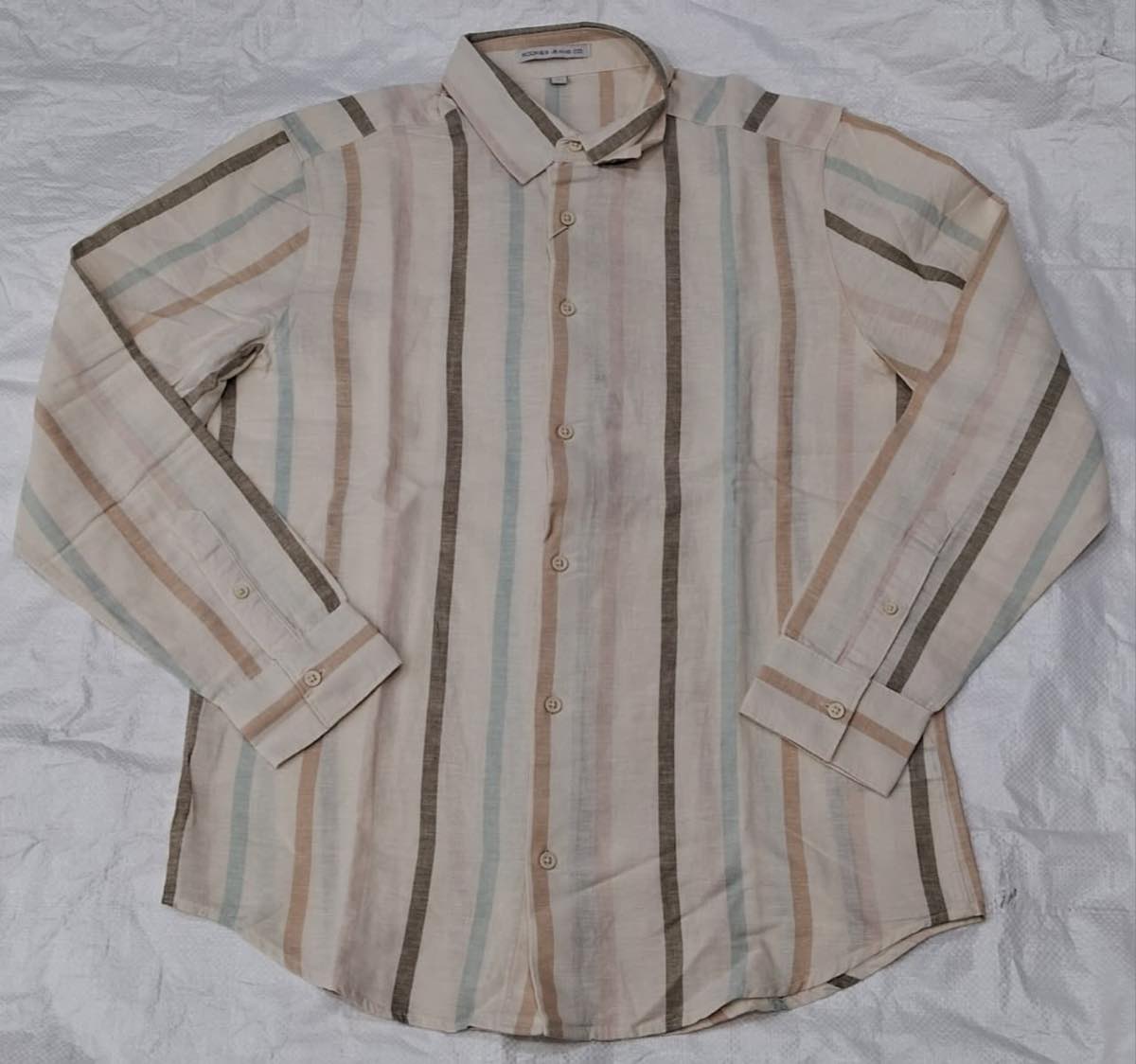
Cream shirt with broad multi-colour stripes in olive, tan and soft blue, a relaxed striped shirt
Broad, soft multi-stripe on cream.S/06 STR.MLT

ShirtCream stripe plus TrouserOlive equals ResultEasy

  1. Scale sets formality. Hairline pinstripes are boardroom-ready; Bengal stripes are businesslike but brighter; broad multi-colour stripes, like this one, are for smart-casual days.
  2. Borrow a colour. Pick the trouser from one of the stripe colours — here, olive or stone — and the outfit looks planned.
  3. Keep the rest plain. Solid trousers and a solid jacket let a stripe do its work.
  4. Vary the scale. If you add a tie, choose a solid or a pattern clearly larger or smaller than the stripe.

Formula 07 — PAT.CHK

Checked shirt styling

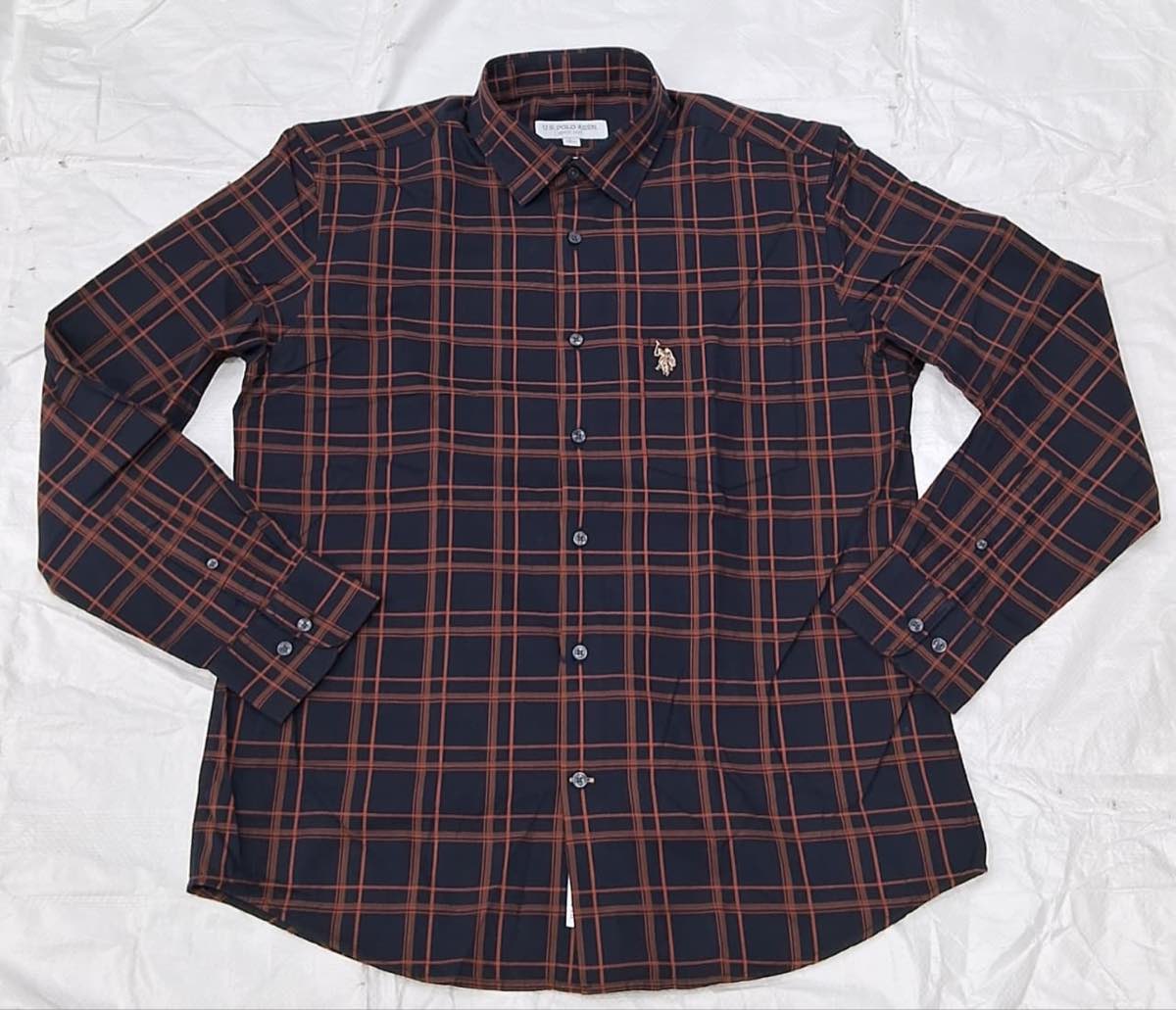
Navy shirt with a rust and orange windowpane-style check, styled with grey trousers
Navy ground, rust windowpane-style check.S/07 CHK.NVY

ShirtNavy check plus TrouserMid grey equals ResultStructured

  1. Small checks travel furthest. Gingham, micro and fine checks can go to the office; large, high-contrast checks belong to weekends.
  2. A dark ground is calmer. A navy shirt with a fine rust line, as shown, reads as navy first and check second.
  3. Plain trousers only. Grey, stone or navy; never a patterned trouser under a check.
  4. Texture over pattern. With a jacket, choose a plain or softly textured cloth; with a tie, a solid knit works better than a print.

Still deciding between the two? Stripes add height and direction; checks add structure and a lighter mood. Read: Striped vs checked formal shirts or browse formal shirt patterns in the Colours & Patterns chapter.

Part three Add the layers

A jacket and a tie raise the formality of any shirt — and expose every mismatch. Two formulas for the layers that sit closest to the collar.

Formula 08 — LYR.BLZ

Shirt and blazer coordination

ShirtBlack-tan check plus BlazerCamel plus TrouserCharcoal equals ResultSmart-casual

Black shirt with a fine tan and white check, worn under a camel blazer for smart-casual dressing
Dark check under a light jacket — the reverse rule.S/08 CHK.BLK

The usual rule is a shirt lighter than the jacket: white under navy, light blue under charcoal. Reverse it deliberately — a dark check under a camel or stone blazer — and you get a relaxed, contemporary look.

The principle

Look at three things where shirt meets jacket. The collar must stand up under the lapels, so a firmer collar works best; soft, casual collars tend to collapse. The cuff should show a little linen — roughly a centimetre — beyond the jacket sleeve. And the pattern should be counted: one bold element per outfit, with the others solid or subtly textured.

White + navy blazer
The universal combination, from interviews to weddings.
Light blue + grey blazer
Soft, tonal and right for most offices.
Pink + navy blazer
Warm and confident; add a navy or burgundy tie.
Check + plain blazer
Keep the jacket solid so the check has room.
How to coordinate shirts and blazers

Formula 09 — LYR.TIE

Shirt and tie coordination

A tie is the one accessory that sits directly on the shirt, so the two must be planned together. Three variables matter: depth, pattern and collar.

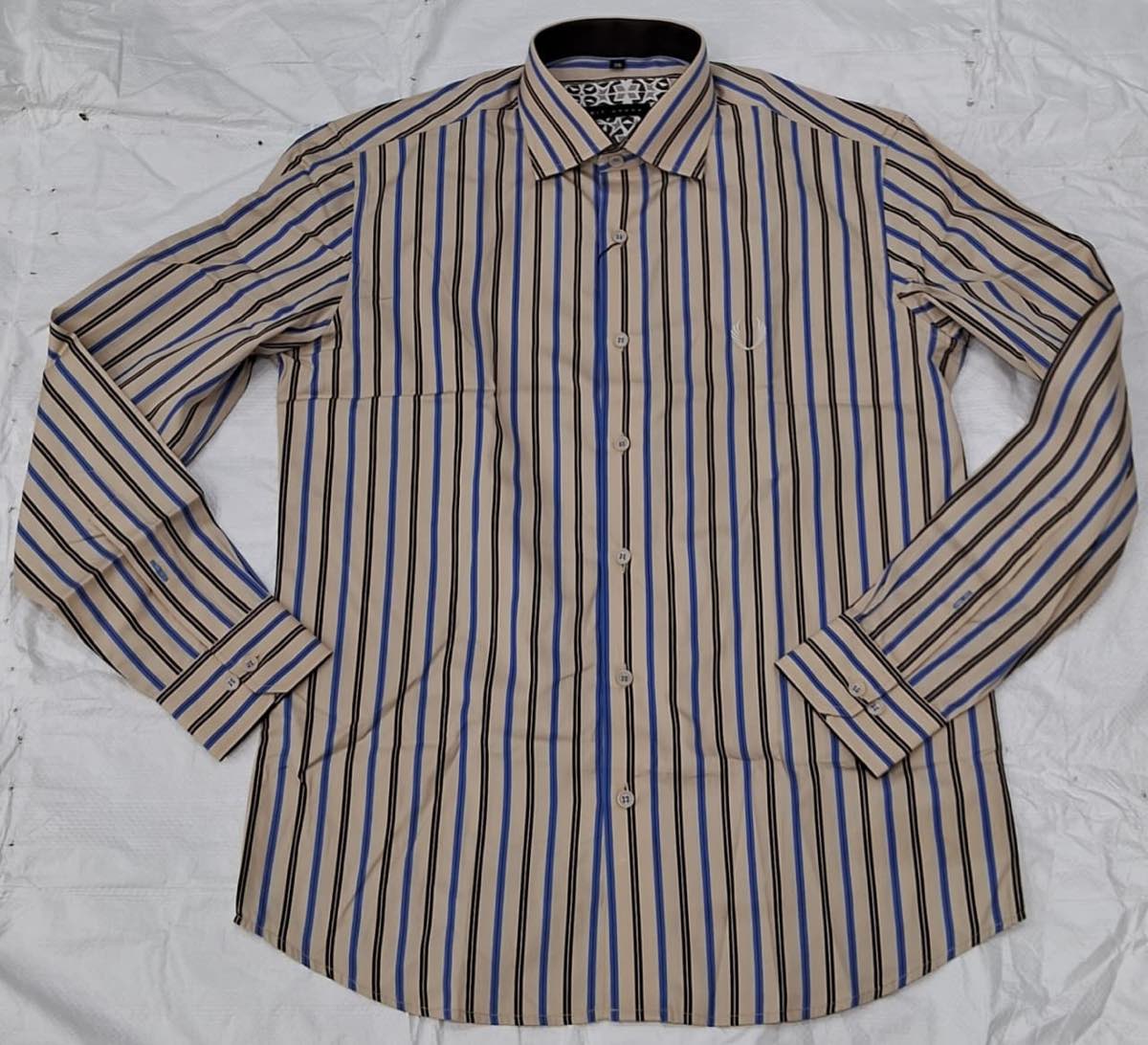
Beige shirt with bold blue and dark brown stripes and a patterned inner collar band, a striped shirt that needs a solid tie
Bold stripe, spread collar: the tie should be solid navy or brown.S/09 STR.BLU

ShirtBold stripe plus TieSolid navy equals ResultBalance

  1. T1

    Darker than the shirt

    In most cases the tie should be deeper in tone than the shirt beneath it. A light tie on a light shirt disappears; a light tie on a dark shirt looks theatrical.

  2. T2

    Change the scale

    Solid shirt: almost any tie. Striped or checked shirt: a solid, a knit or a pattern of clearly different size. Two patterns of the same scale fight each other.

  3. T3

    Collar to knot

    A spread or cutaway collar suits a fuller knot; a point collar suits a slim, simple knot. A button-down collar is happiest without a tie at all.

  4. T4

    Length and width

    The tip should reach the top of the belt buckle. Keep the blade width roughly in proportion to the jacket lapel.

Quick pairing table — shirt, then tie
ShirtSafest tieBolder option
WhiteNavy, burgundy, charcoalGreen, small pattern
Light blueNavy, burgundyBrown knit, orange
PinkNavy, greyDeep purple
StripedSolid in a stripe colourLarger dot or print
CheckedSolid knitFine stripe, wide scale
Match collar and knot in the Collar & Cuff Studio

Part four Finish the outfit

Shoes, leather and the hem of the shirt are small in area and large in effect. Get them wrong and the best shirt in the room looks careless.

Formula 10 — FIN.SHO

Formal footwear

Shoes set the formality floor of an outfit. Learn the ladder below and you can match any shirt to the right shoe in a second: the more formal the shirt and trouser, the higher you climb.

  1. 5Black oxfordClosed lacing, plain toe. Suits, white shirts, ceremonies.
  2. 4Dark brown oxford / derbyThe everyday business shoe with navy and grey.
  3. 3Monk strap / brogueDecoration lowers formality; ideal for business casual.
  4. 2Leather loaferSlip-on ease with chinos and open collars.
  5. 1Suede loafer / clean sneakerWeekend checks and relaxed shirts only.
Navy and deep burgundy large check casual shirt, best worn with brown suede loafers or derbies
A casual check sits on rungs 1–2: suede or loafers.S/10 CHK.BRG

ShirtNavy-burgundy check plus ShoeBrown suede equals ResultOff duty

  • Colour: black is the most formal; dark brown the most versatile; tan, burgundy and suede the most relaxed.
  • Socks match the trouser, not the shirt, so the leg reads as one line.
  • Condition counts more than cost: polished leather and straight heels lift a simple shirt.

Formula 11 — FIN.ACC

Belt and accessories

BeltBrown plus ShoeBrown plus WatchLeather equals ResultConsidered

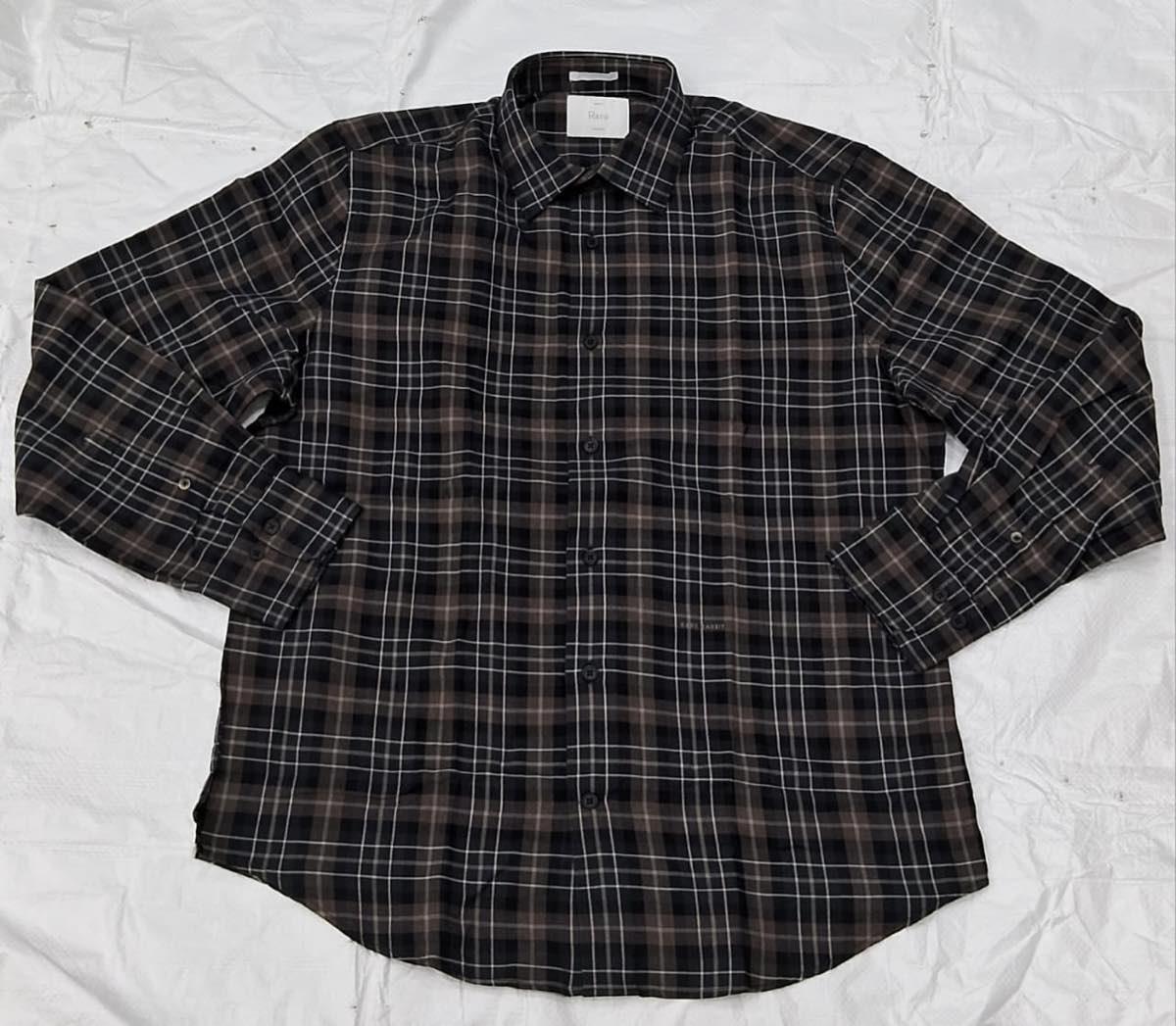
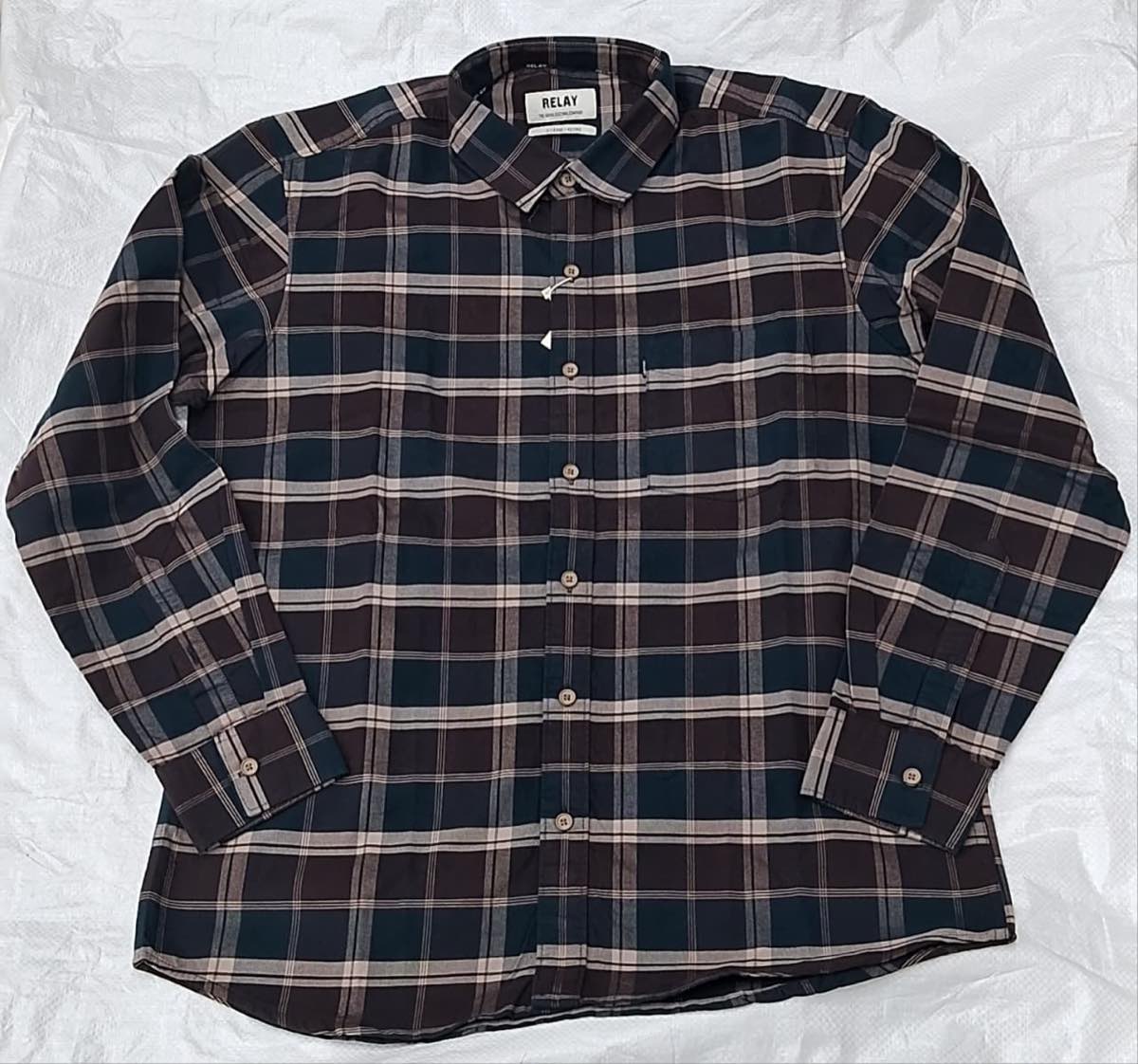
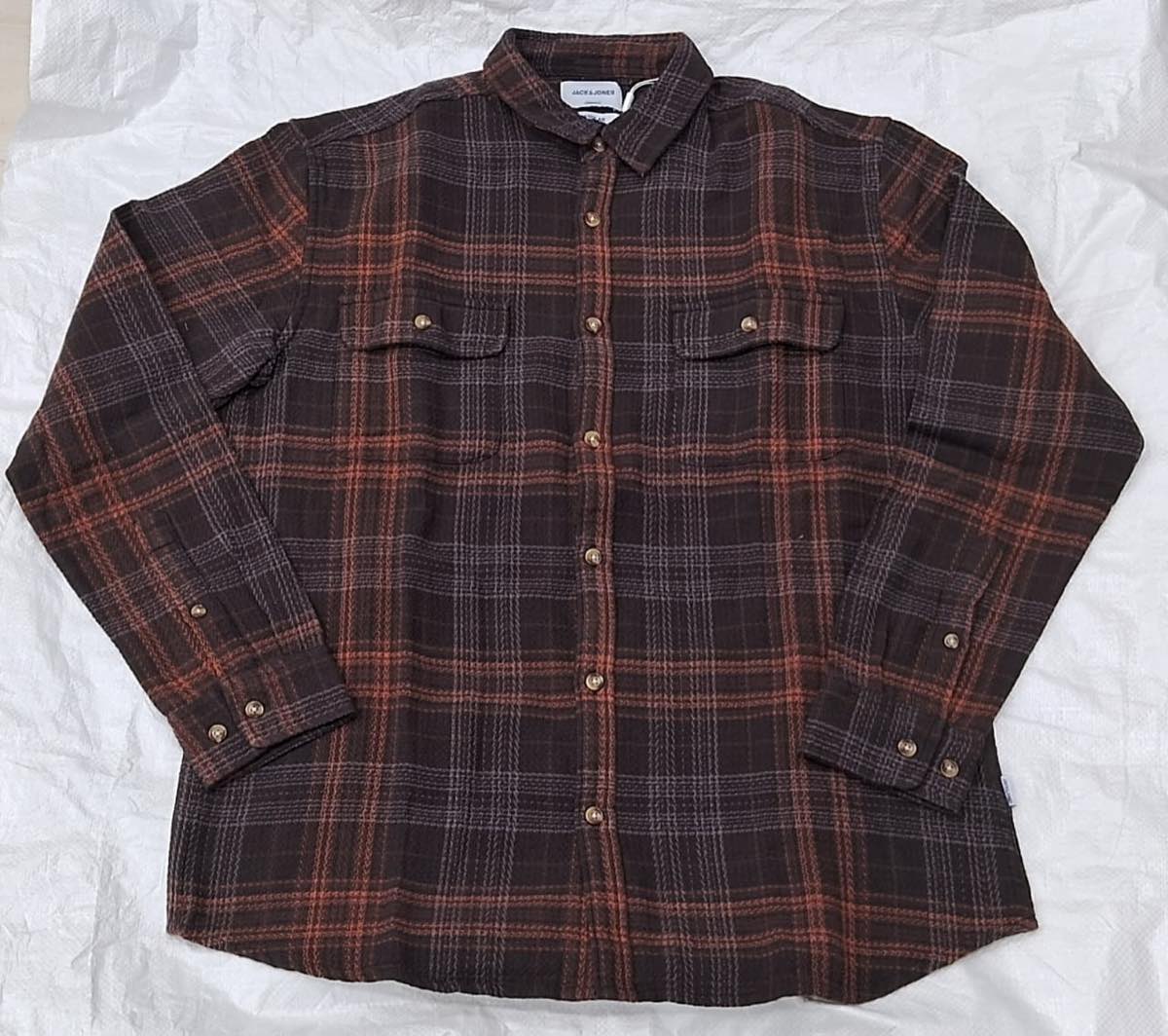
Brown and rust check shirt with two flap chest pockets, a casual shirt to wear with a brown leather belt
Brown and rust check: brown leather, nothing shiny.S/11 CHK.RST

Accessories are punctuation. Two or three well-chosen pieces finish an outfit; five or six start to compete with the shirt.

  • Belt

    Match the shoe in colour and finish — black with black, brown with brown, suede with suede. Choose a slim belt and a simple buckle for formal trousers.

  • Watch

    A plain dial on leather or a simple metal bracelet; it should slip under the shirt cuff, not sit on top of it.

  • Cufflinks

    Only with double (French) or convertible cuffs. Keep them small and in the same metal as the buckle.

  • Pocket square

    Echo a colour from the shirt or tie without copying the tie exactly. White linen is always correct.

  • Tie bar

    Optional, placed between the third and fourth shirt buttons, never wider than the tie.

A note on this shirt The check pictured is a casual, overshirt-style shirt with flap pockets. Pair it with a brown leather belt, dark denim or chinos and brown boots — and leave the cufflinks at home.

Formula 12 — FIN.HEM

Tucked in vs untucked

The hem of the shirt tells you what it was made for. Read it before you decide.

Always tuck when…

  • The shirt has a long, curved tail — the mark of a formal shirt, cut to stay in place when you sit.
  • You are wearing a tie, a suit or tailored trousers.
  • The setting is a meeting, interview, wedding or anything described as business formal.
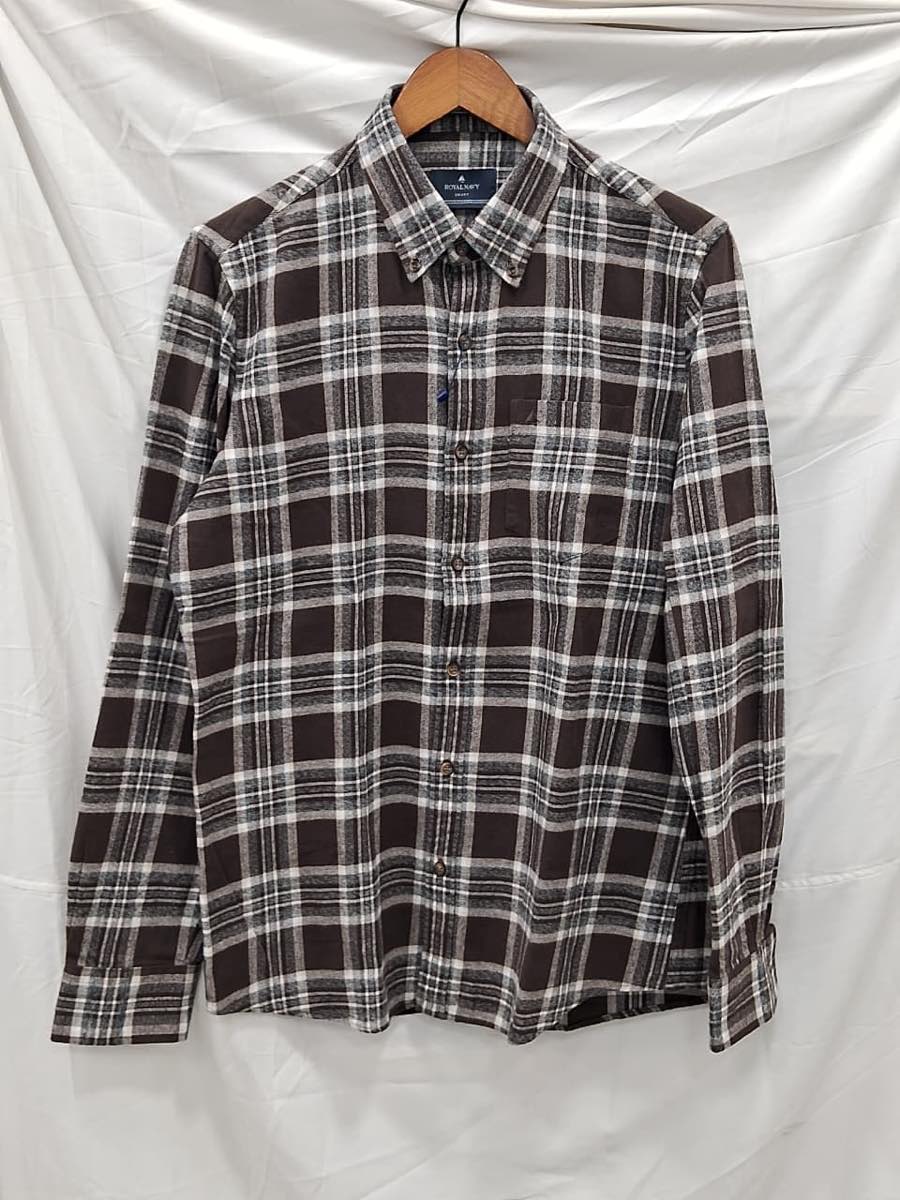
Brown, grey and white check button-down shirt on a wooden hanger, a casual shirt that can be worn untucked
Button-down check: casual enough to wear out.S/12 CHK.BRN

You may untuck when…

  • The hem is fairly straight or only gently curved, and ends around the middle of the trouser fly.
  • The shirt is casual — a check, a linen or a button-down like this one — worn with chinos or denim.
  • There is no tie and no structured jacket over formal trousers.

The mirror test If the hem covers your seat completely, tuck it in. If it ends at the hip and the shirt is casual, you have a choice. A neat half-tuck rarely looks as intended in an office.

Errata — Read before dressing

Common styling mistakes, and the fix

Most styling problems are small and easy to correct. Here are the ones we notice most often, each struck through and rewritten.

  1. Don'tWear a collar you cannot close comfortably under a tie.

    DoChoose a collar that buttons with room for one or two fingers. A strained collar pulls the tie knot out of shape.

  2. Don'tLet the cuffs cover your knuckles — or stop above the wrist.

    DoEnd the cuff at the wrist bone, so it shows slightly beyond a jacket sleeve. See common fit problems.

  3. Don'tWear a black belt with brown shoes.

    DoMatch belt and shoe in colour and finish. It is the easiest rule in menswear and the most often broken.

  4. Don'tPair a striped shirt with a striped tie of the same width.

    DoChange the scale, or go solid. One bold pattern per outfit; the rest should support it.

  5. Don'tWear a long-tailed formal shirt untucked.

    DoTuck formal shirts in. Untuck only casual shirts with a shorter, straighter hem.

  6. Don'tChoose a tie lighter than the shirt, or one that stops at the navel.

    DoGo darker than the shirt and let the tip reach the top of the belt buckle.

  7. Don'tWear a large, high-contrast check with a tie to a formal meeting.

    DoSave bold checks for open-collar, smart-casual days. For the boardroom, choose a solid, a fine stripe or a small check.

  8. Don'tWear a short-sleeve shirt with a tie.

    DoKeep ties for long sleeves. In the heat, a light cotton or linen-blend long-sleeve shirt is cooler than it sounds.

  9. Don'tLet a visible vest or dark undershirt show through a white shirt.

    DoWear a close-fitting undershirt near your skin tone — or none at all with an opaque shirt.

  10. Don'tPut on a creased shirt and hope the jacket hides it.

    DoPress collar, cuffs and placket first; hang shirts on shaped hangers. Our shirt care notes explain more.

Keep the formulas, then make them yours

Every rule here can be bent once you know why it exists. Start with the trouser, read the shirt, add layers with restraint and finish with matching leather. If you would like a second opinion, visit Options Mall in Vile Parle West or call +91 8369381345 and ask the team about current styles.