The architecture of a shirt silhouette. Slim fit, regular fit, classic and contemporary formal shirts — read line by line
Colour is noticed first, but fit is what the eye keeps reading. Four cuts, ten fit points and a diagnostic board for the problems you see in the mirror — so that any men's formal shirt, in a Mumbai fitting room or anywhere else, can be judged in a few minutes.
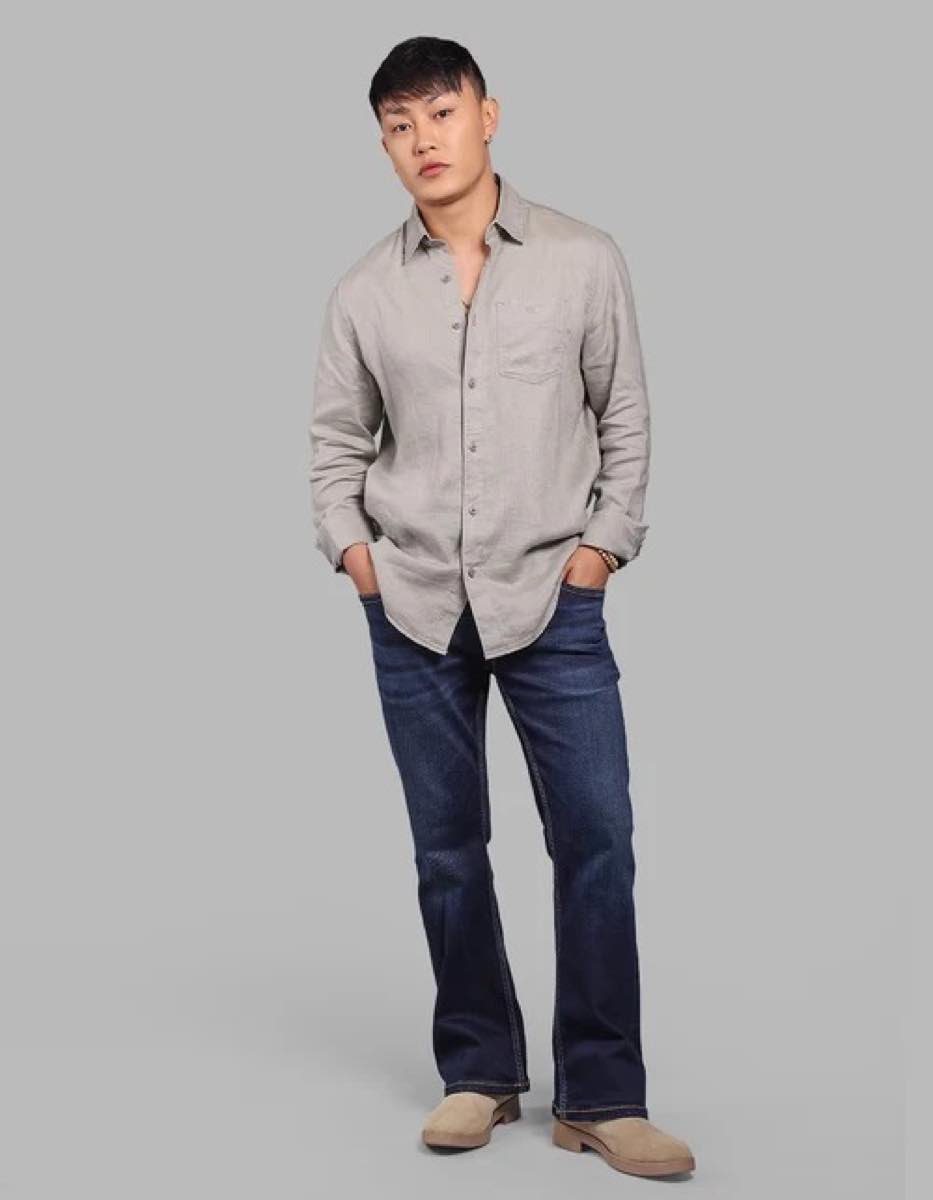
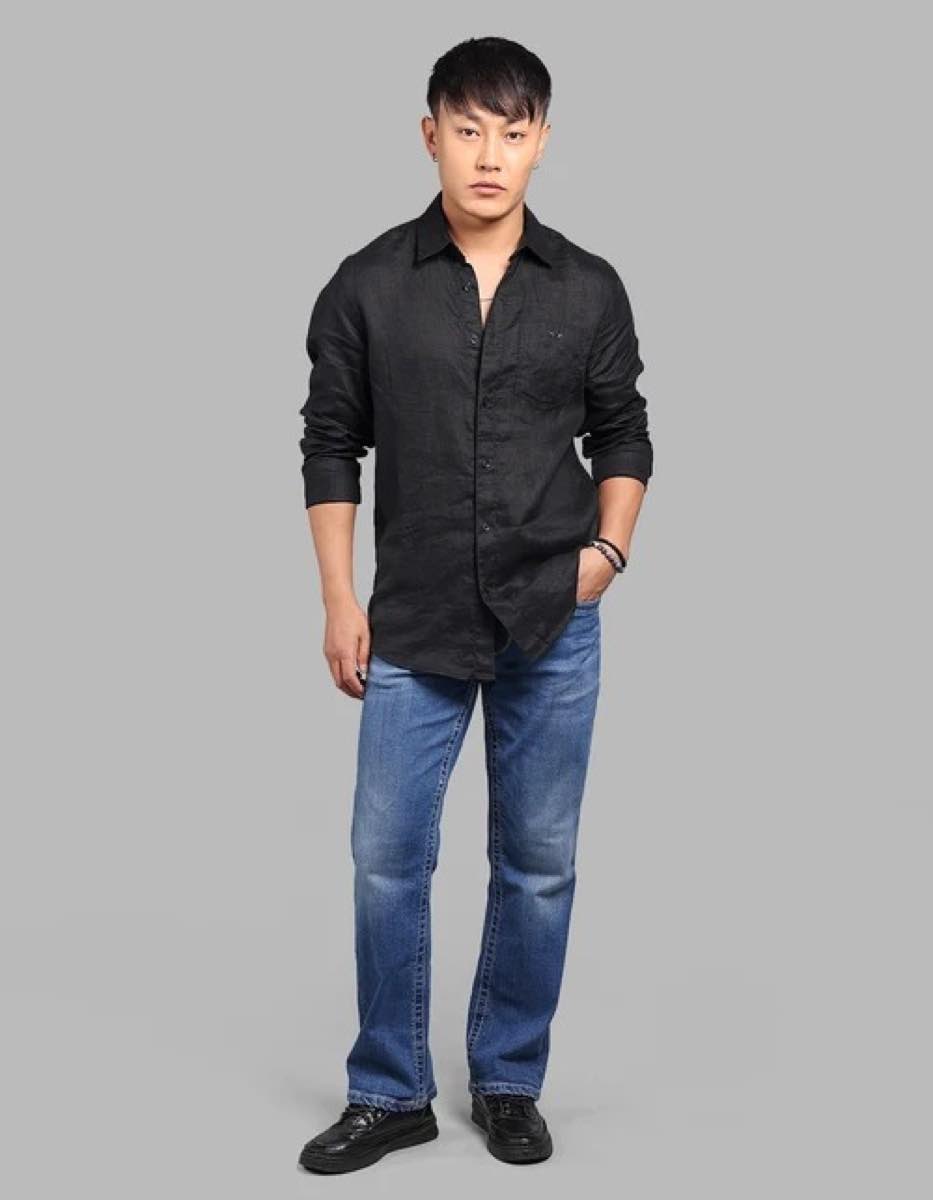
FIT.SLM — the closest of the four
Slim fit formal shirts
Cut close to the body through chest and waist, with a narrower sleeve and a higher armhole. The shirt follows the torso rather than hanging from the shoulders.
- Slim
- Contemporary
- Regular
- Classic
- Silhouette
- A tapered V from shoulder to hem, usually helped by back darts or shaped side seams. The sleeve narrows steadily towards the cuff.
- Comfort
- Comfortable when the size is right, restrictive when it is not. Cloth with a little stretch makes a slim cut far easier to wear through a full day.
- Appearance
- Sharp, modern and tidy. Very little excess fabric, so it tucks neatly and sits cleanly under a fitted jacket.
- Who & when
- Slimmer and athletic builds; client meetings, presentations and evenings; anyone wearing a slim suit.
- Styling
- Pair with slim or tapered trousers so the proportions stay consistent, and a narrower tie. If buttons strain when you sit, go up a size or move to a contemporary fit.
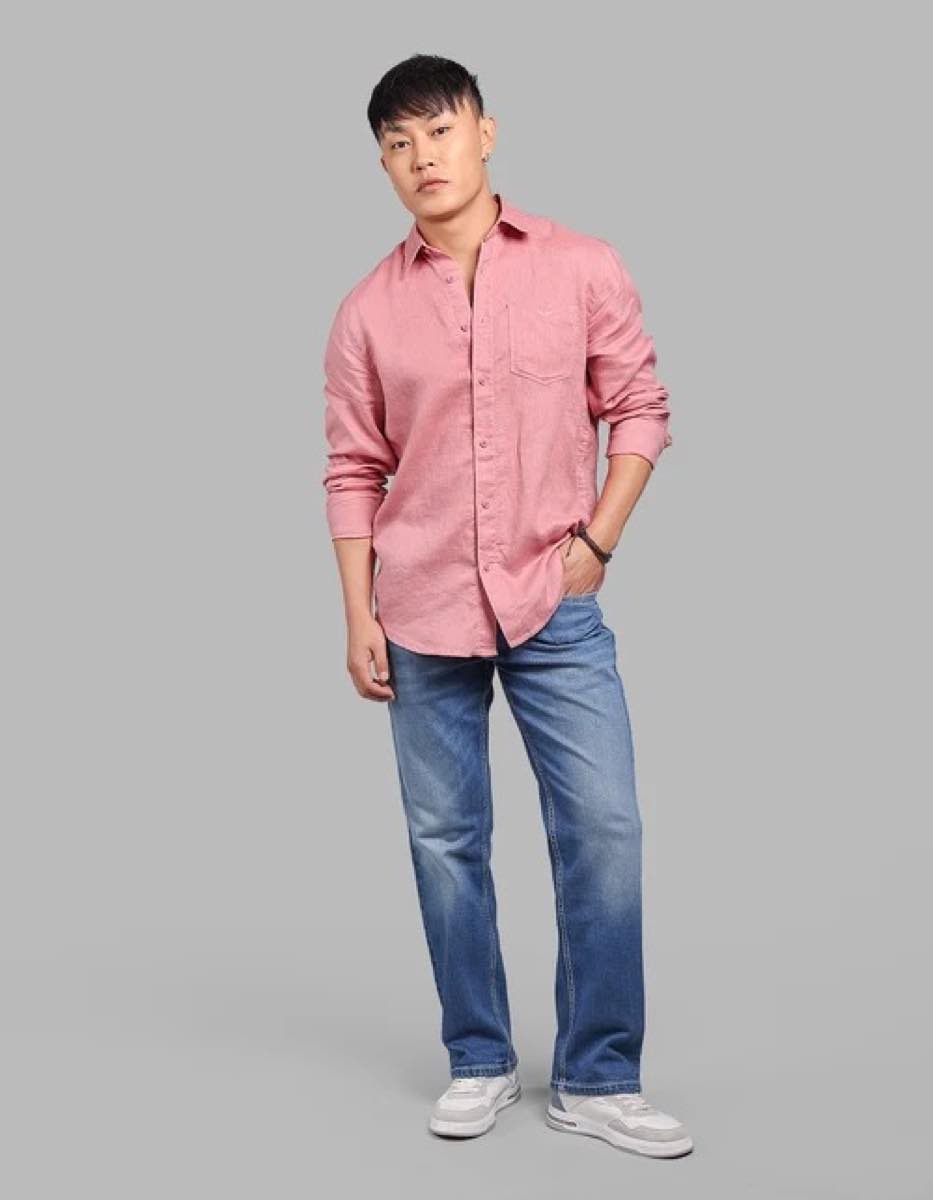
FIT.REG — the everyday standard
Regular fit formal shirts
A straight, balanced cut with comfortable room through chest and waist and standard armholes. Neat when tucked, easy to move in, and the default for most office wear shirts.
- Slim
- Contemporary
- Regular
- Classic
- Silhouette
- Falls straight from the chest to the hem with no strong taper. The sleeve is moderate and even.
- Comfort
- Generous enough for long days at a desk, commuting and travel. Reaching, sitting and lifting do not pull at the buttons.
- Appearance
- Clean and conventional. Tucked, it shows only a little blousing above the belt; under a jacket it sits comfortably without bulk.
- Who & when
- Most builds, especially broader chests or anyone who values freedom of movement; daily office wear and long working days.
- Styling
- Works with straight or regular-cut trousers and standard ties. If the waist billows when tucked, try a contemporary fit in the same size.
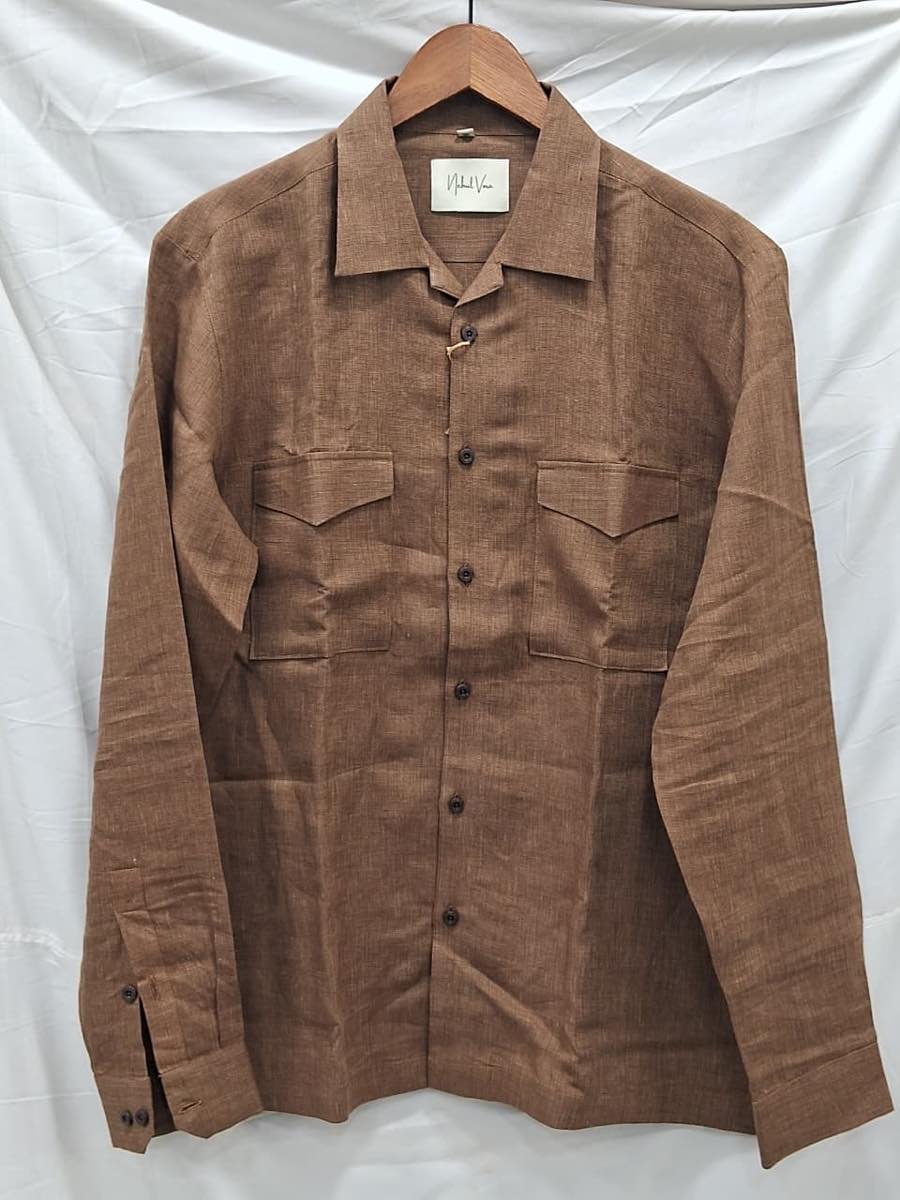
FIT.CLS — the most generous
Classic fit shirts
Traditional proportions with the most ease through the body and arms. A classic fit drapes rather than follows, and puts comfort and freedom of movement first.
- Slim
- Contemporary
- Regular
- Classic
- Silhouette
- Wide, straight body; lower armholes; fuller sleeves. Often a back pleat or box pleat for movement.
- Comfort
- The most relaxed of the four. Nothing binds when you reach, drive or sit for hours, and it stays cool because air moves around the body.
- Appearance
- Soft and traditional. Done well it looks dignified; too large, it looks borrowed — the shoulder seam is what decides.
- Who & when
- Larger frames, men who prefer ease above all, warm-weather days and traditional workplaces with a jacket-on dress code.
- Styling
- Balance the fuller body with pleated or straight trousers and a regular-cut jacket. Avoid pairing with skinny trousers, which exaggerate the volume above.
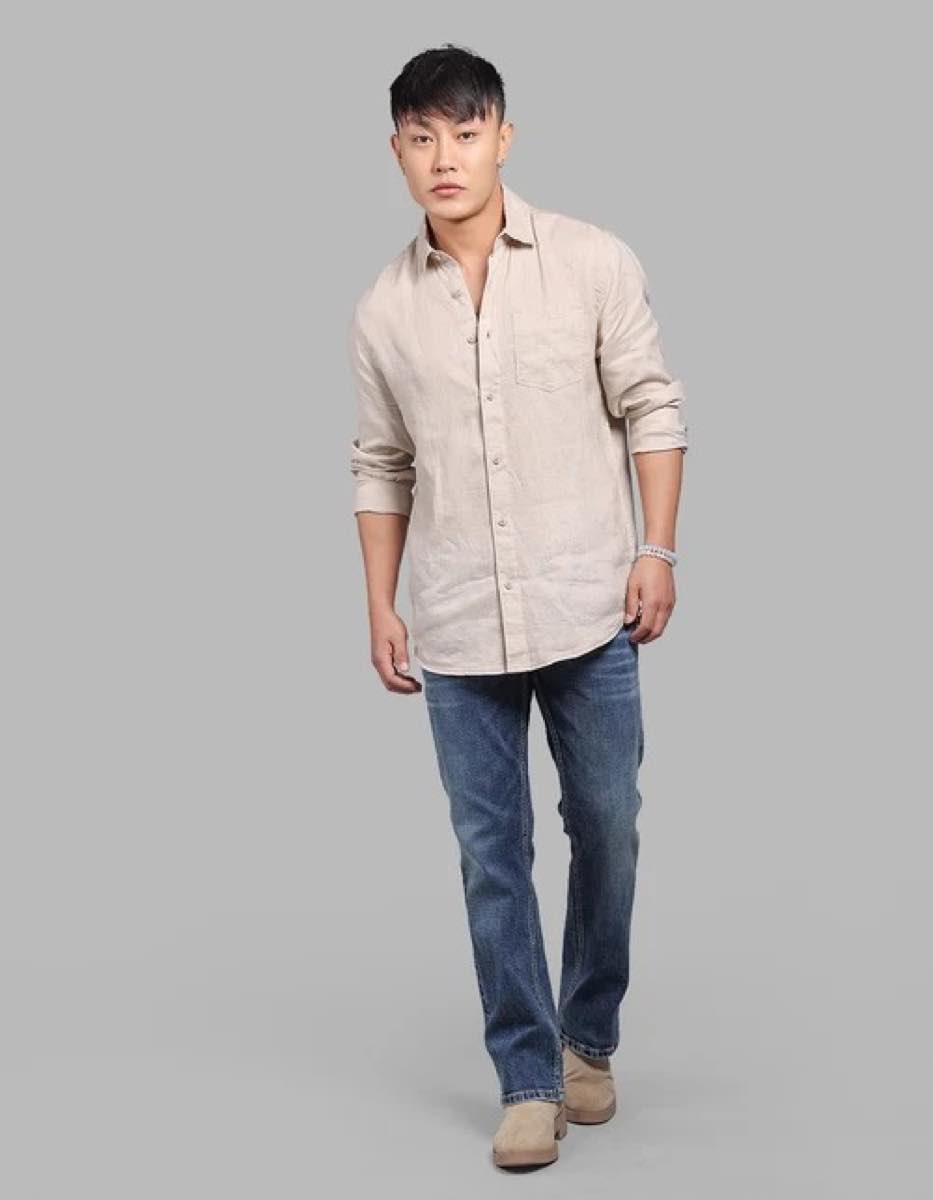
FIT.CON — between slim and regular
Contemporary fit shirts
The middle path: gently shaped at the waist with a slightly trimmer sleeve than a regular fit, but with more room than a slim cut. Current without feeling restrictive.
- Slim
- Contemporary
- Regular
- Classic
- Silhouette
- A soft taper from chest to waist; sleeves a touch narrower than regular. Sometimes called "tailored" or "modern" fit.
- Comfort
- Close enough to look neat, loose enough to sit, reach and commute without strain.
- Appearance
- Polished and up to date. Little excess fabric when tucked, and it looks deliberate worn open-collared.
- Who & when
- Average and athletic builds, men moving on from regular fit, and offices that range from formal meetings to business-casual days.
- Styling
- The most adaptable cut: it suits tapered or straight trousers, with or without a tie and jacket. A good first choice if you are unsure between slim and regular.
P/10 — The inspection
Ten fit points
Whatever the cut, the same ten places tell you whether a shirt fits. Check them in this order — the first few are the hardest to alter, so they matter most.
- 01
Shoulder fit
The shoulder seam should sit on the edge of the shoulder bone, where the arm begins. Too far in pulls across the upper back; too far down the arm makes the whole shirt look borrowed. It is the hardest area to alter, so judge it first.
- 02
Collar comfort
Fastened, the collar should close without pinching — one or two fingers should slide in comfortably. Too loose leaves a gap above the tie knot; too tight creases the collar and digs in by afternoon.
- 03
Chest
Buttons lie flat and the placket runs straight. X-shaped creases around the buttons mean the chest is too close; a deep fold you can pinch at each side means it is too full.
- 04
Waist shaping
The body should follow the torso without clinging. Slim and contemporary cuts use darts or shaped seams; regular and classic fall straighter. Look for a clean line from chest to hip, not billowing above the belt.
- 05
Sleeve length
With arms relaxed, the cuff should reach the wrist bone or the base of the thumb, so a little shirt cuff shows below a jacket sleeve.
- 06
Sleeve width
The sleeve should taper gently from armhole to cuff. Too wide, it billows under a jacket; too narrow, it restricts the elbow and marks the upper arm.
- 07
Shirt length
Worn tucked, there should be enough length to stay in when you raise your arms or sit. Worn out, the hem should finish around the middle of the seat — no lower.
- 08
Cuff positioning
Fastened, the cuff should stay at the wrist rather than sliding over the hand, with room for a watch. A second cuff button lets you adjust this.
- 09
Arm movement
Reach forward, cross your arms, lift as if hailing a taxi. The cuffs should not retreat up the forearm and the back should not pull tight across the shoulder blades. Higher armholes generally help.
- 10
Tucked vs untucked
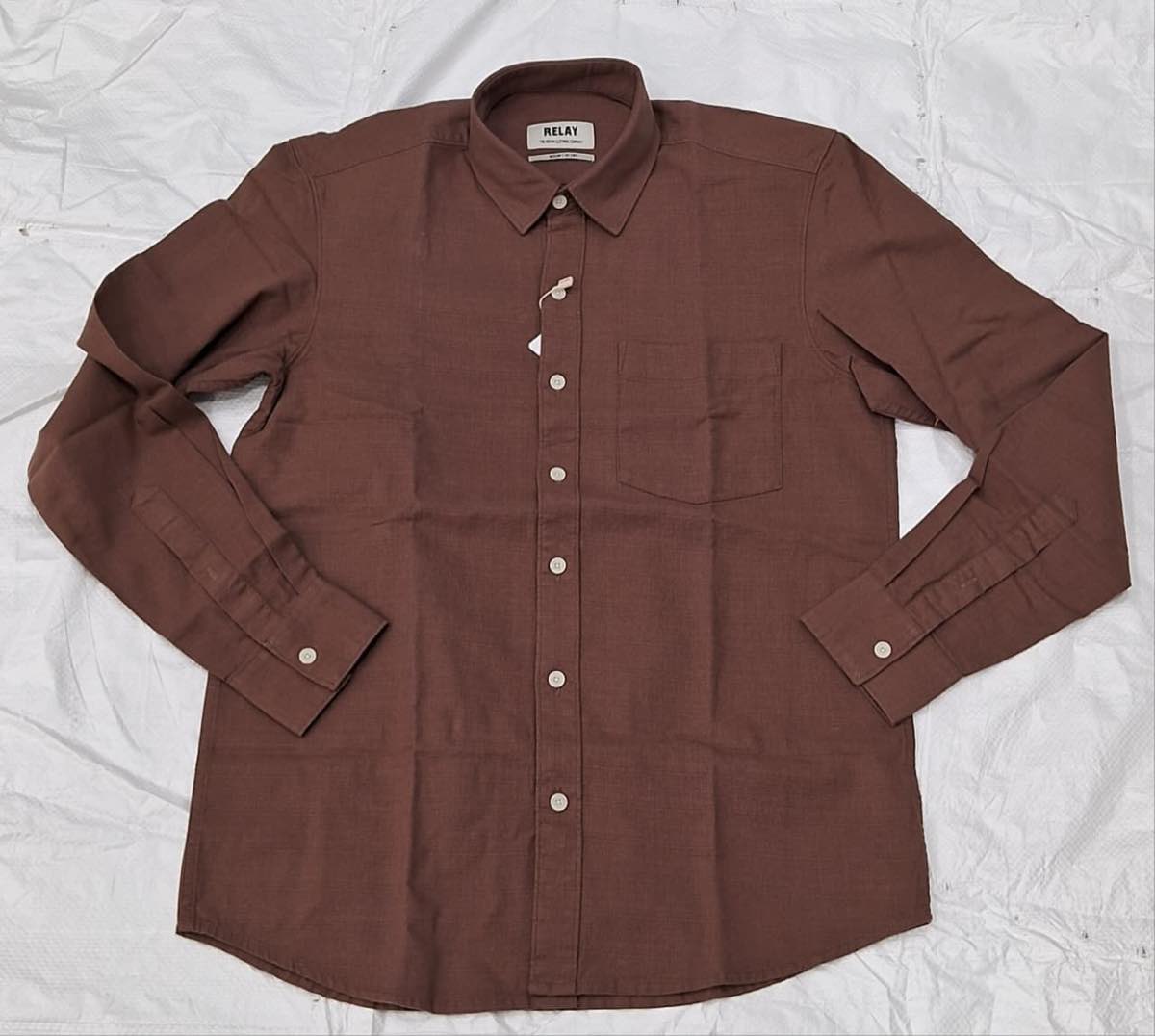
Most formal shirts are cut long with a curved tail to stay tucked; worn out, they look unfinished. A shirt meant to be worn untucked has a shorter, often straighter hem. The studies on this page show shirts worn out with denim — read them for line.
How a good
fit sits
Put on a shirt, fasten it, stand naturally and look at four zones in a mirror. A well-fitting formal shirt is quiet in all four: no pulling, no pooling, no folds that have to be explained.
-
ZONE A
Across the shoulders
The seam meets the shoulder point. The yoke lies flat across the upper back, with no ridge or dimple where the sleeve joins.
-
ZONE B
Across the chest
The placket stays straight and the buttons flat. Any drape runs vertically; horizontal pull lines are the warning.
-
ZONE C
At the waist
A clean, gentle line from chest to hip. Tucked in, only a small amount of fabric gathers above the belt.
-
ZONE D
Along the sleeves
One smooth column from shoulder to cuff, finishing at the wrist. A slight break above the cuff is fine; a concertina is not.
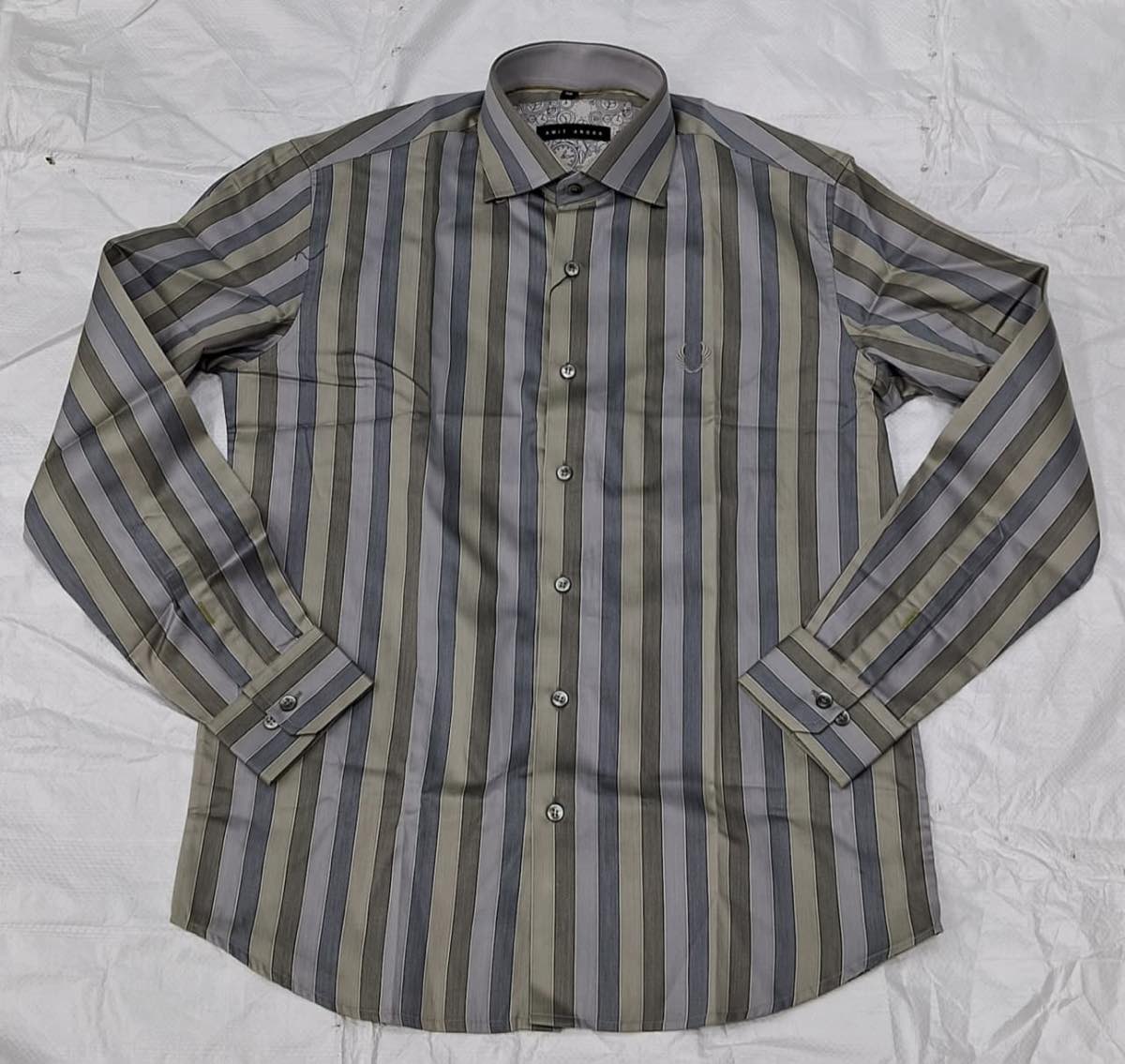
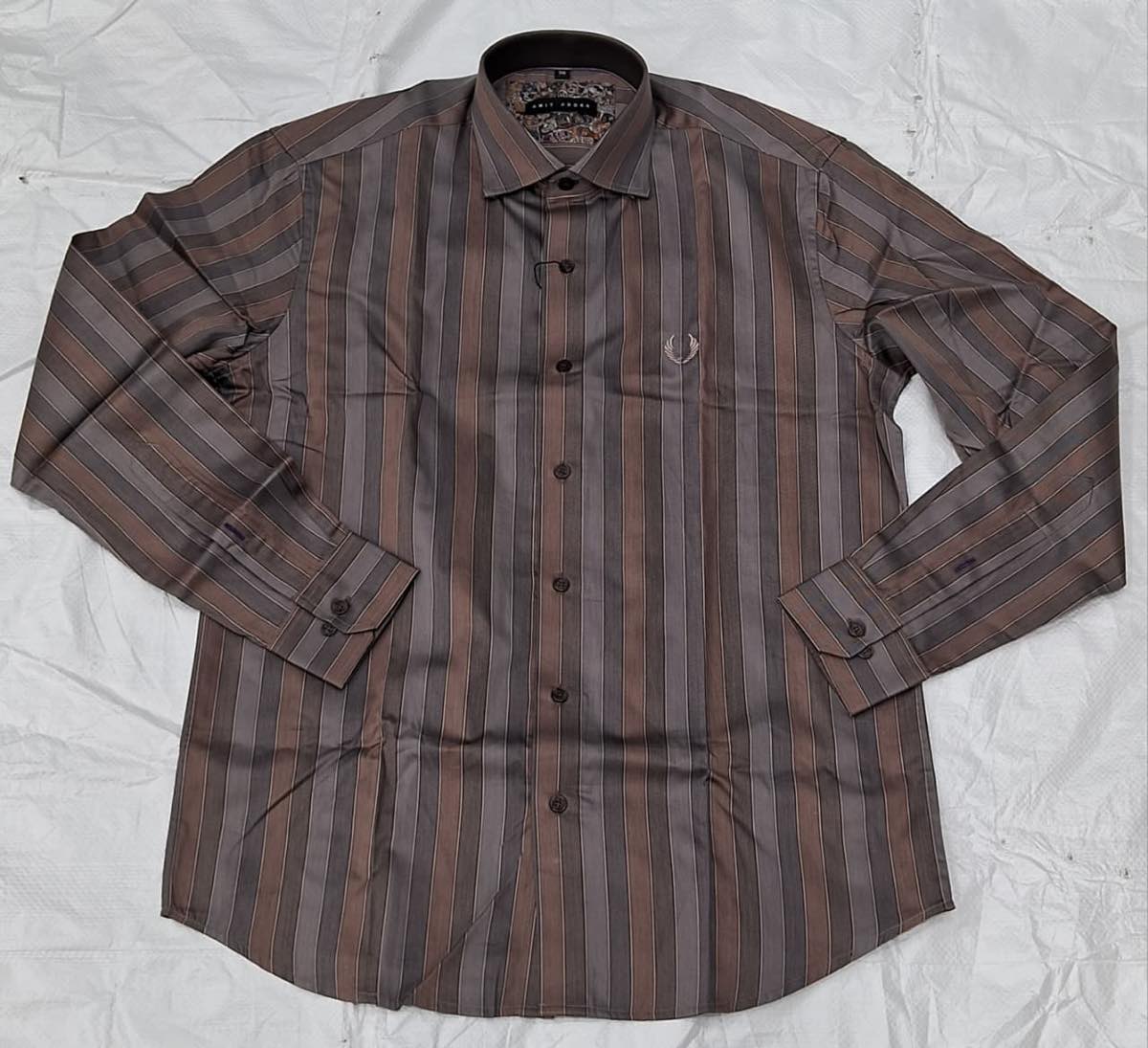
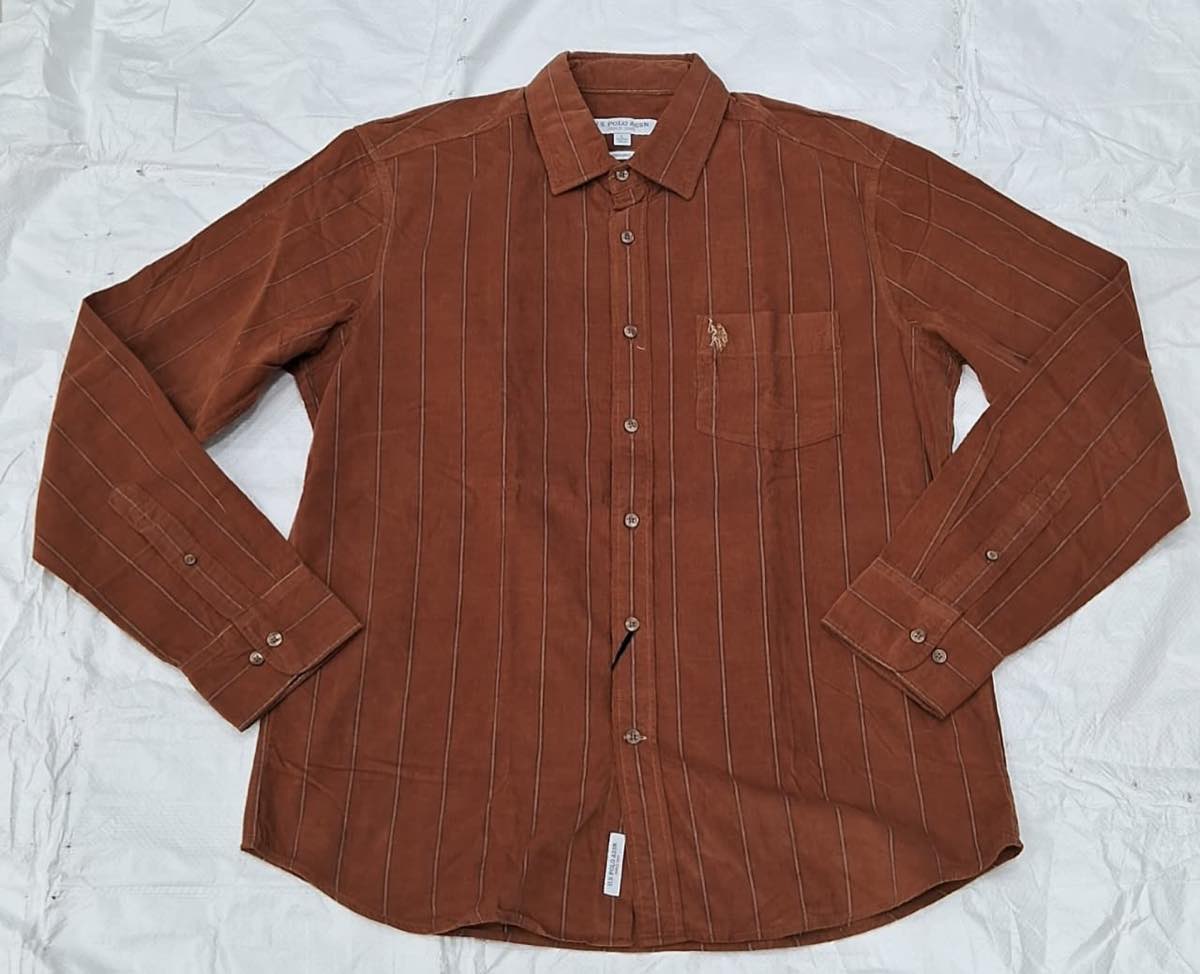
Try a striped shirt when judging a new cut. Vertical stripes make tension visible: if they bow at the waist, kink across the chest or slant down the sleeve, the fabric is being pulled. Straight, parallel lines mean the shirt is sitting as it should.
DX — The diagnostic board
Common fitting
problems
Read across each line: what you see in the mirror, what it usually means, and what to look for in the next shirt you try. No measurements needed — just a mirror and a few honest movements.
More on avoiding these in Common Formal Shirt Styling Mistakes and the Styling Guide.
Fit, continued
Try it on
in person
Fit is best judged in the mirror, not on a screen. Visit Options Mall at Vile Parle Shopping Centre, above Sahakari Bhandar on V.M. Road, Juhu, to try slim, regular and contemporary cuts side by side — and ask the team about current styles.