Slim Fit vs Regular Fit Shirts
The two most common fits in men's formal shirts look similar on the hanger and very different on the body. Here is how to tell which one is yours.
Options Mall Menswear Journal — Mumbai
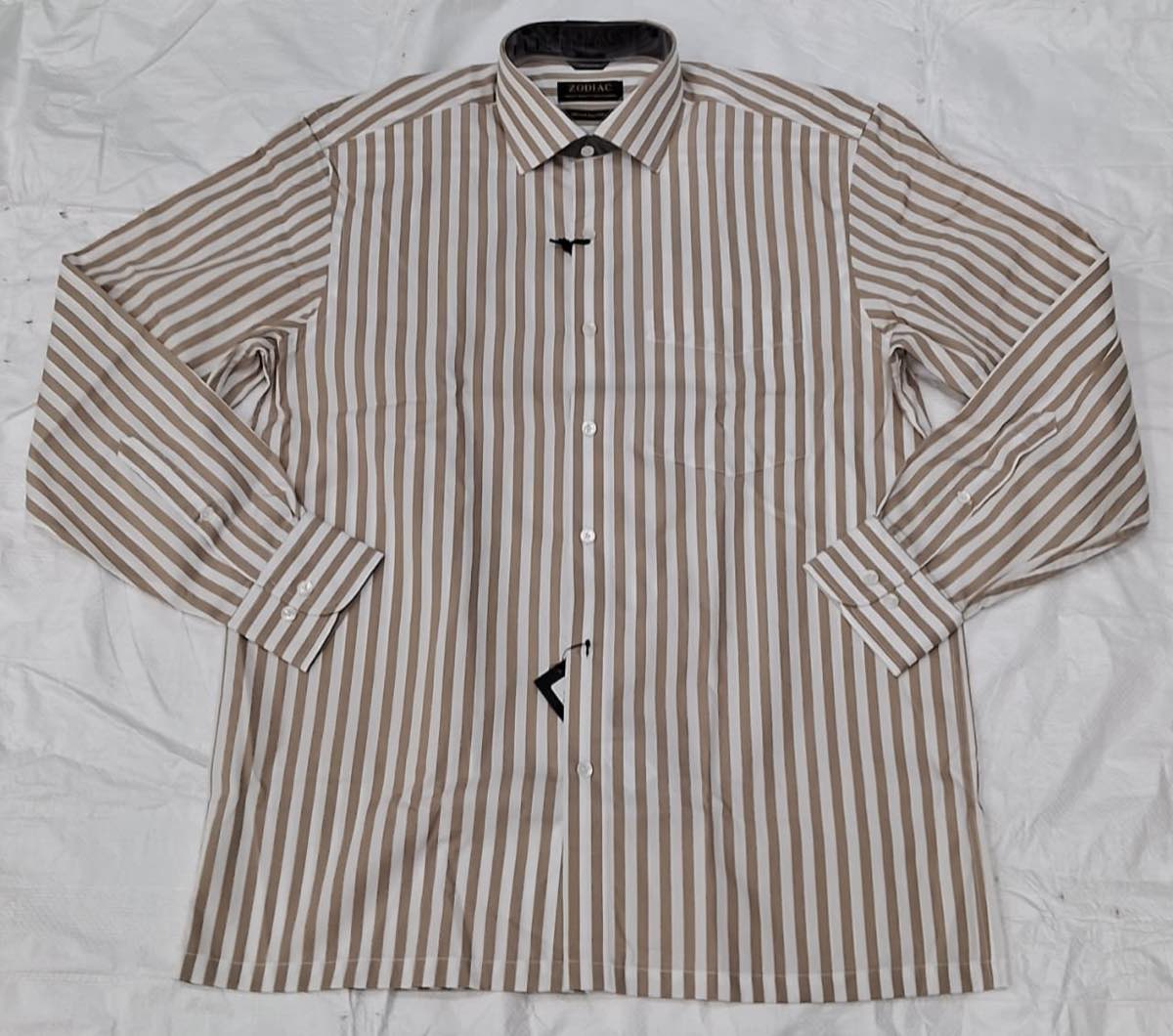
Stand in front of a rail of formal shirts and you will usually face a choice before you ever reach colour or collar: slim fit or regular fit. The labels sound straightforward, but they are often misunderstood. Many men assume slim fit is simply the modern option and regular fit the old-fashioned one. In reality, each is a different answer to the same question: how much room should a shirt leave between the cloth and the body?
The right answer depends on your build, your workplace, the climate you dress for and how you like a shirt to feel by six in the evening. This essay sets out the differences plainly and offers practical ways to decide.
What the two labels actually mean
Both fits start from the same basic pattern: a front, a back, a yoke across the shoulders, two sleeves and a collar. The difference lies in how much fabric is allowed through the chest, waist and arms.
- A slim fit shirt is cut closer to the body, tapering from chest to waist, with narrower sleeves and often a slightly higher armhole. The aim is a clean, close silhouette with little excess cloth.
- A regular fit shirt follows a straighter line from chest to hem, with more room through the waist and sleeves. The aim is comfort and ease of movement while still looking neat when tucked in.
Sizing varies between makers, so one brand's regular fit may be close to another's slim fit. Treat the labels as a guide, and always judge by how the shirt sits on you. Our slim fit and regular fit profiles show both cuts in detail.
Slim fit is not a younger shirt and regular fit is not an older one. They are two answers to the question of room.
The case for slim fit
A slim fit formal shirt looks sharp and contemporary. With less fabric around the waist, it tucks in cleanly without bunching above the belt, and it sits neatly under a fitted blazer or waistcoat, where excess cloth would otherwise bulge. For lean or athletic builds, it often fits straight off the rail with little need for alteration.
Slim fit also tends to photograph well and suits occasions where a tailored look is the goal: presentations, formal dinners and events. The trade-off is that it leaves less room for movement. If you reach, sit or drive a great deal, a very slim cut can feel restrictive, and in humid weather a close fit can feel warmer because there is less air moving around the body.
The case for regular fit
A regular fit formal shirt prioritises ease. The straighter body allows comfortable movement through a long working day and accommodates a fuller chest or midsection without pulling at the buttons. For many men, especially those with broader frames, a regular fit simply looks better, because a slim cut would strain rather than skim.
Regular fit is also practical in warm climates. A little extra room lets air circulate, which matters through a humid Mumbai summer and the monsoon months. The trade-off is that on a slim frame, a regular fit can leave visible folds at the waist, especially when tucked in, which can look less polished under a jacket.
Which fit suits your build?
Lean or slim builds
A slim fit usually gives the cleanest line. A regular fit may leave extra fabric that billows at the back and sides. If the slim fit is tight across the shoulders, try the next size up in slim before switching to regular.
Athletic builds
Broad shoulders and chest with a narrower waist are the trickiest combination. A slim fit may pull across the chest; a regular fit may billow at the waist. A contemporary fit, between the two, is often the answer, as is a slim fit in a fabric with a little stretch.
Broader or fuller builds
A regular fit is usually more comfortable and more flattering. Look for buttons that lie flat without pulling and a hem long enough to stay tucked. The fit problems guide explains what pulling and gaping at the buttons tell you.
Button the shirt fully and tuck it in. Raise both arms, sit down and reach forward. If the buttons pull, try regular fit or a size up. If more than a generous pinch of fabric gathers at each side of the waist, try slim fit. Choose the one you forget you are wearing.
Workplace, occasion and climate
Your setting matters as much as your build. Conservative workplaces such as banking, law or government offices tend to favour a neat, unobtrusive look, where a well-fitted regular or contemporary fit reads as quietly professional. Creative and modern corporate settings are more comfortable with closer cuts.
Fabric choice changes the equation too. A slim fit in a crisp cotton poplin can feel quite structured, while a cotton with a small amount of stretch moves more easily. Our fabric notebook on blends explains how stretch and mixed fibres affect comfort. For daily office wear, many men keep both fits in rotation: slim for days with a jacket, regular for long days of meetings and travel. The everyday business wardrobe shows how such a rotation works.
Styling each fit
A slim fit shirt is naturally suited to tucked-in, tailored looks: with slim formal trousers, a fitted blazer and sleek shoes. Keep the trouser cut in proportion; a very slim shirt above wide, loose trousers can look unbalanced.
A regular fit shirt pairs well with straight-cut trousers and structured jackets with a little more room. It also looks relaxed and natural on business-casual days when worn with chinos.
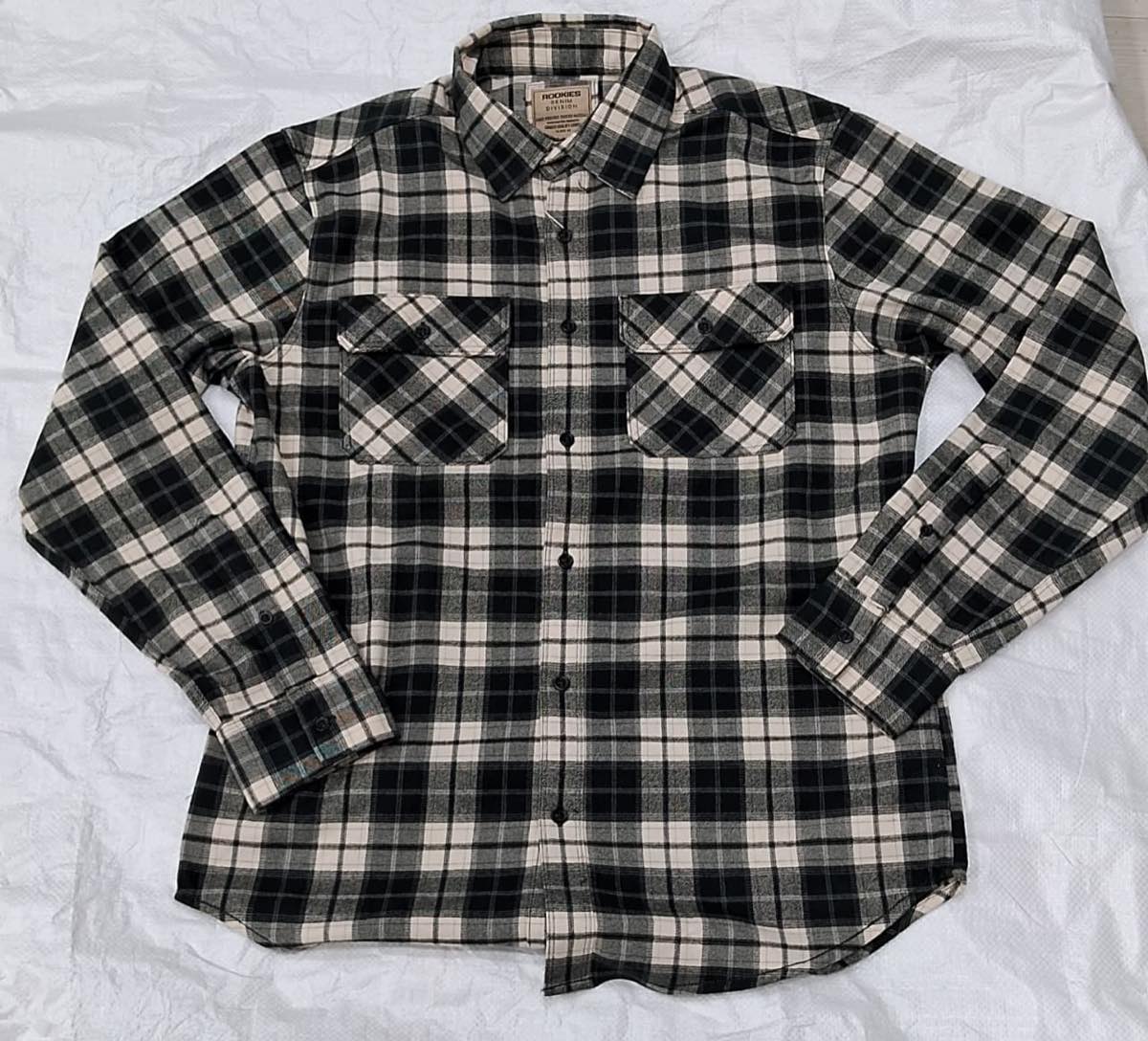
Casual shirts like the check pictured above sit outside the slim-versus-regular debate. Their workwear styling, with two flap pockets and a sturdier cloth, suggests a shirt meant to be worn untucked or open over a T-shirt, so a roomier body makes sense. It is a useful reminder that formal fit rules apply mainly to shirts that will be tucked and layered under a jacket.
How to decide
The slim fit vs regular fit question has no universal answer, only a personal one. Begin with your shoulders, which should fit correctly in either cut. Then let your chest and waist decide: choose slim if a regular fit leaves you with folds of spare fabric, and regular if a slim fit pulls at the buttons. Consider your workplace and your commute, and do not be afraid to own both.
For a broader look at fit, read how to choose the right formal shirt fit, and for building a rotation, see how to build a versatile office shirt wardrobe. You can compare slim fit and regular fit formal shirts in our index, and to try both in person, visit Options Mall in Vile Parle West or call +91 8369381345 to ask about current styles.