The Difference Between Poplin, Oxford and Twill
Three weaves account for most cotton formal shirts. Learn to tell them apart and you will know, before you try a shirt on, how it will feel and when to wear it.
Options Mall Menswear Journal — Mumbai
Two white shirts can hang side by side, both cotton, both the same size and cut, and still be entirely different garments. One feels cool and crisp, almost papery; the other soft and substantial; a third smooth with a faint diagonal sheen. The difference is the weave: the way the threads cross one another as the cloth is made. It affects how a shirt looks, how it drapes, how warm it feels, how readily it creases and how formal it reads.
Poplin, oxford and twill are the three weaves you will meet most often in cotton formal shirts. They are not brands or qualities but structures, and each has a distinct character. This essay explains how to recognise them, what each does well, and how to choose between them for the office, for the weather and for the occasion.
Why the weave matters
Woven fabric is made from two sets of yarns: the warp, which runs lengthways, and the weft, which crosses it. How they interlace determines the surface. A simple over-one, under-one pattern produces a flat, smooth cloth. Grouping yarns together produces a textured, basket-like surface. Offsetting each row creates diagonal lines.
Those structural differences have practical consequences. Smooth, tightly woven cloths look crisp and formal. Textured cloths look relaxed and hide creases. Diagonal weaves drape and resist wrinkling. Once you know this, choosing cotton formal shirts becomes far less of a guess. Our fabric notebook on cotton covers the fibre itself; here we focus on the weave.
Colour tells you how a shirt will look across a room. Weave tells you how it will feel by the end of the day.
Poplin: crisp, light and formal
Poplin is a plain weave: each weft thread passes over one warp thread and under the next. It is woven tightly from fine yarns, which produces a smooth, flat surface with a gentle sheen. Hold it up to the light and it looks clean and even; run your hand over it and it feels cool and crisp.
That crispness makes poplin the classic business formal shirt fabric. It looks sharp under a suit, takes a clean press at the collar and cuffs, and its light weight makes it comfortable in warm weather. A white poplin with a semi-spread collar is about as formal as an everyday shirt gets.
The trade-off is that poplin creases fairly readily and shows those creases, because its smooth surface hides nothing. It also tends to be slightly more translucent than heavier weaves, especially in white. Read more in the poplin section of our fabric notebook.
Wear poplin for
- Suits, ties and formal meetings.
- Hot, humid days when you want the lightest cloth.
- A clean, polished look in solid colours such as white and pale blue.
Oxford: textured, sturdy and relaxed
Oxford cloth uses a basket weave, in which groups of yarns are interlaced together rather than single threads. Often the warp is coloured and the weft white, which gives classic blue oxford its slightly mottled, two-tone look. The result is a visible texture, a softer hand and a heavier, more durable fabric.
Oxford is relaxed by nature. It is the traditional fabric of the button-down shirt and sits comfortably in business-casual settings, with chinos, a knitted tie or an unstructured blazer. It creases less visibly than poplin and tends to soften and improve with washing. It is, however, a little warmer and less formal, so it is not the first choice under a sharp suit.
Pinpoint oxford
Pinpoint oxford uses finer yarns in a similar basket weave, creating a smoother, lighter cloth that sits between poplin and standard oxford. It is dressier than regular oxford and can work with a tie and jacket, making it a useful bridge fabric. Our oxford notes show the difference.
Twill: diagonal, soft and resilient
Twill is woven so that each weft thread passes over one or more warp threads and then under two or more, with each row stepping along slightly. This creates fine diagonal lines across the cloth, visible if you look closely, and gives it a subtle depth and soft lustre.
Twill drapes well, feels slightly heavier and softer than poplin and tends to resist wrinkling better, which makes it a practical choice for long days, travel and commuting. It also holds colour richly, so twill shirts in deeper shades can look particularly handsome. Formally, it sits close to poplin and works well with suits and ties.
Herringbone
Herringbone is a variation of twill in which the diagonal reverses at regular intervals, forming a zigzag. In shirting it is usually fine and tonal, reading as a quiet texture from a distance. More on twill and its variations appears in the twill and textured weaves sections.
Side by side
- Look: poplin is smooth and flat; oxford is textured and slightly mottled; twill shows fine diagonals with a soft sheen.
- Feel: poplin is crisp and cool; oxford is soft and substantial; twill is smooth and supple.
- Formality: poplin and twill are the most formal; oxford is the most relaxed, with pinpoint oxford in between.
- Creasing: poplin shows creases most; twill resists them best; oxford hides them with texture.
- Warmth: poplin is the lightest; twill and oxford are a little warmer.
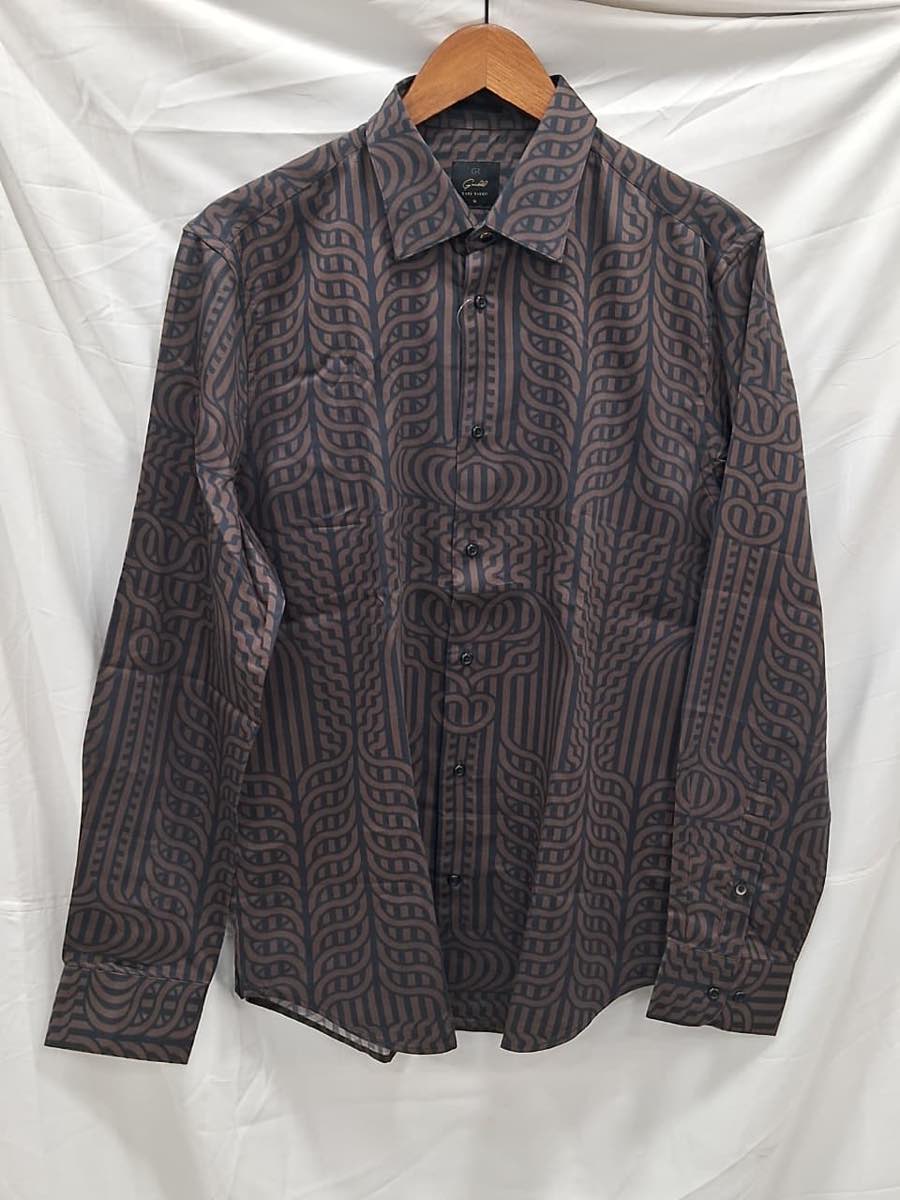
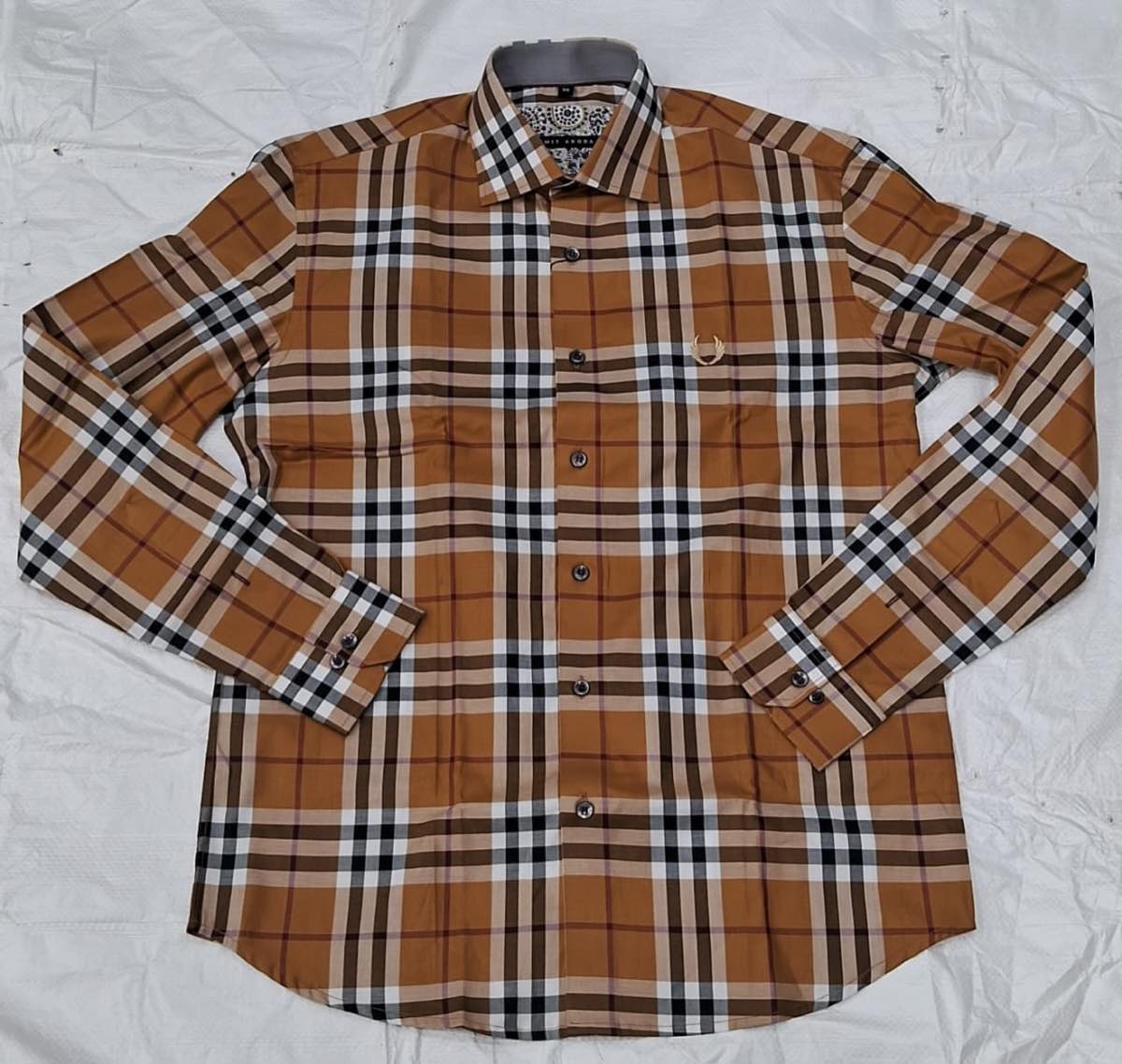
The weave also explains why a shirt's surface matters more than its pattern. The cover shirt's smooth, fine cloth gives its print a soft sheen, while the check below draws your eye with colour first. In both cases, look closely at the surface and the feel of the cloth to judge how the shirt will wear.
Choosing by occasion and climate
For formal meetings and suit days, choose poplin or a fine twill. For a relaxed office, business-casual Fridays or weekend lunches, oxford is ideal. For long days, travel and commuting where you need to look fresh at the end, twill is the practical choice.
Mumbai's climate adds another consideration. Through the hot and humid months, lighter poplins feel coolest; heavier oxfords are better kept for air-conditioned offices or the cooler part of the year. A wardrobe for meetings might combine poplin for important days with twill for travel.
Two white or pale blue poplins for formal days. One twill for long days and travel. One oxford, perhaps a button-down, for business-casual. Between them they cover most working weeks with comfort and variety.
Caring for each weave
Poplin is best ironed while slightly damp, with steam, to bring back its crisp finish. Oxford is forgiving and can be worn with a lighter press, which suits its relaxed character. Twill presses smoothly and holds its shape well between wears. Whatever the weave, hang shirts promptly after washing and give collars and cuffs particular attention. See our shirt care guide for more.
Knowing your cloth
Poplin, oxford and twill are not better or worse than one another; they are suited to different moments. Poplin for crisp formality, oxford for relaxed texture, twill for drape and resilience. Once you can recognise them by sight and touch, you can choose shirts that suit your day as well as your style.
For how the weave fits within the wider anatomy of a shirt, read understanding shirt construction and details, and see how fabric shapes a reliable foundation in white shirts: a foundation of men's formal dressing. To feel the difference in person, visit Options Mall in Vile Parle West or call +91 8369381345 to ask about current formal shirt styles.